The Ironist

Differing Perspectives

Upon Father’s Day

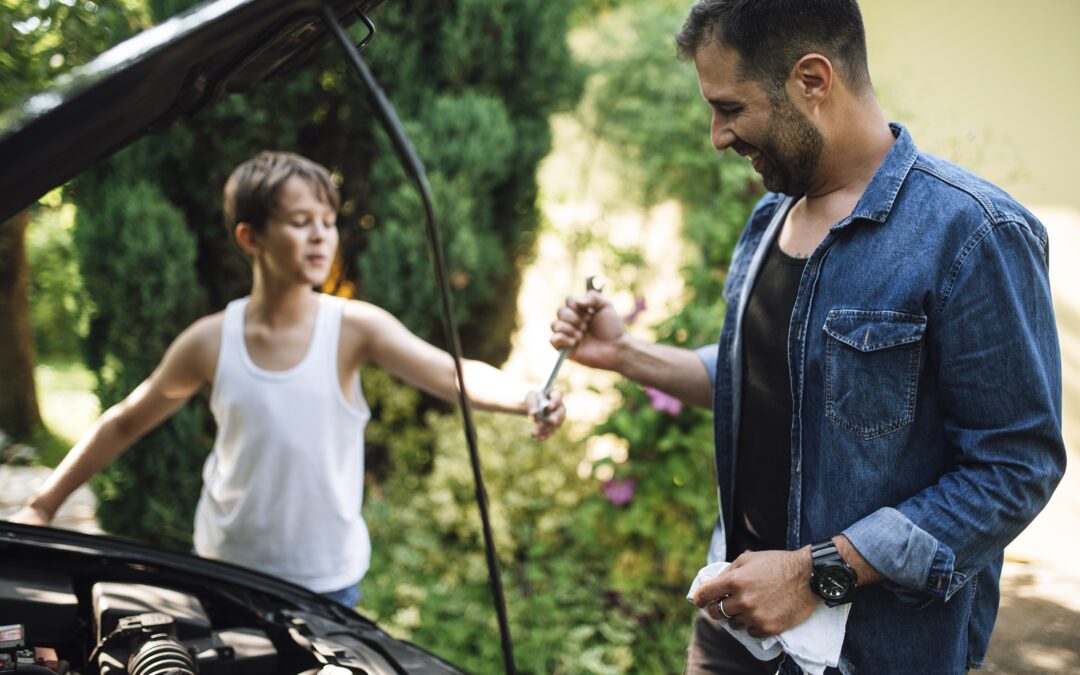
This Father’s Day, the dad is not on a pedestal. He’s mid-step, caught in the motion of leaving, watching his son become a man. A dad speaks- hesitant, unfinished, proud. There are five kinds of love here, and none of them are easy. This poem is not to celebrate a dad, but to remember one. Maybe your dad. Maybe the dad you are. Maybe the dad you’ll never quite become.

Oh please,

Be kind,

And remember me.

Many dads before me,

Tears in their eyes,

Have had to leave.

No, they weren’t ready.

Motion frozen, mid-step

Caught unexpected.

The cost, to them

So high

Task incomplete.

But it’s too late.

There is no time.

No going back.

One day,

One day soon,

I’ll be gone.

You’re on your way now

You’ll make it

I should have done more.

From those first steps

To where you stand!

And so much more.

I am proud,

Honoured, yet left behind

Job undone.

Oh please,

Be kind,

And remember me.

I did give

What little

Counsel I had.

Of the path to follow

It’s hard, I know,

To balance

What needs to be done

But always, always

Let go of the hurt.

Good luck,

Work hard, my son

I love you.


Author

  • Nigel Scotchmer

    Nigel’s peripatetic path in life gives him, he believes, a unique perspective on the world around him. He has worked at many occupations over the years from driving a truck, writing welding standards, to being an international salesman,\ accountant and business owner. Brought up in a family that believed that Antigone in the Greek myth was correct to stand up and die for her belief that fairness and truth were more important than the ranting raves of the unthinking mob – his father accepted the consequences of refusing to fire a homosexual in the 1950s – Nigel believes irony is the greatest tool for both encouraging equity and our enjoyment of life. Since irony involves the interplay between emotions, reality and chance, its appreciation can provide meaning to the often inexplicable world in which we live. He said, when interviewed for this summary: “No, we can’t all be heroes, and too often we make the wrong choice, for the wrong reasons – but at least irony can bring peace to us by helping reconcile the warring elements.”

    Nigel loves literature – especially books and poems that deal with universal themes such as love, war, and justice – and is now happily retired from the world of business. Ironically, (like countless retirees before him!), he says he has the ambition to be a great writer and is currently writing fiction full-time….

    Visit him at https://nigelscotchmer.com/

More Irony

Words, Words, Words VI : Watch Your Language

Words, Words, Words VI : Watch Your Language

Peter writes his sixth essay on the 'abusage' of language, an affliction all too rampant today. Polonius: What do you read, my lord? Hamlet: Words, words, words. Polonius: What is the matter, my lord? Hamlet: Between who? Polonius: I mean, the matter that you read, my...

RAMBLINGS #11 – Mañana

RAMBLINGS #11 – Mañana

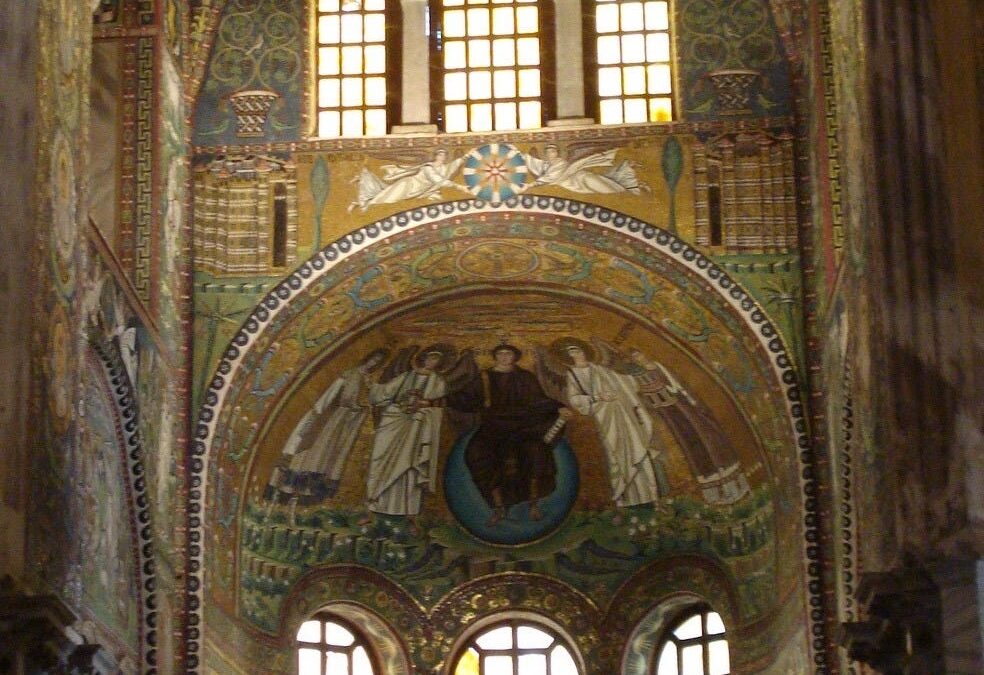
A rambling on language, leisure, beauty, and the business of accepting what we can't control. Some things we think about, some we ignore. And some are more important than others. Does it matter if we fight against the inevitable? Or should we just accept it? Apse of...

The Misanthrope

The Misanthrope

Peter Scotchmer's latest short story introduces us to Wilf Wolflinger, apparently the smartest man on the street. My name is Wilf Wolflinger. You might have heard of me. I used to write travel books, but I’m too old for that now. My travelling days-- to Bogota or...

Sex Education: A Short Story

Sex Education: A Short Story

In this short story by Jack Stilborn, a construction executive builds his ten-year-old son a bridge to adulthood. The realization hits Adam as he parks his SUV. Margot’s Lexus is waiting for him in their driveway, a silent accusation. He has missed the meeting. The...

WORDS, WORDS, WORDS V: On Reading (Part Two)

WORDS, WORDS, WORDS V: On Reading (Part Two)

Polonius: What do you read, my lord? Hamlet: Words, words, words. Polonius: What is the matter, my lord? Hamlet: Between who? Polonius: I mean, the matter that you read, my lord. What follows is a review of two outstanding recent books on the value of reading, which...

Mewubis on Simplicity

Mewubis on Simplicity

Our newest columnist, Mewubis, lives in a dumpster, judges humanity, and bears a suspicious resemblance to a Greek philosopher who did the same thing 2,400 years ago. Only he wasn't a cat. You ask me why I live in a dumpster? My friend, it’s my choice. Let me explain:...

Wings of Gold: Angels in Byzantine Art

Wings of Gold: Angels in Byzantine Art

This final essay traces how artists dressed the divine in imperial robes, gold sashes, and red shoes, and produced, in the Angel with the Golden Hair, one of the most beautiful faces ever painted. In the previous essay, we traced how Pseudo-Dionysius organized the...

WORDS, WORDS, WORDS IV: On Reading

WORDS, WORDS, WORDS IV: On Reading

Peter writes his fourth essay on the love of reading and the perils of speedreading. Read on! Polonius: What do you read, my lord? Hamlet: Words, words, words. Polonius: What is the matter, my lord? Hamlet: Between who? Polonius: I mean, the matter that you read, my...

Irony Club Open Mic III with Mayil Alfaaz | 26 July 5:30 pm

Alfaaz means, simply, words. And words, read aloud and in good company, are the whole of what we’re after this month. On the evening of July 26, The Irony Club is opening the mic again, and this time we’re widening it considerably. It will run the way an open mic...

The Celestial Bureaucracy: Hierarchies of Angels

The Celestial Bureaucracy: Hierarchies of Angels

In her third post, Dr. Hara tells us how Seraphim came to outrank Cherubim, and Archangels ended up near the bottom. In the previous essay, we traced the angel’s transformation from local guardian spirit to cosmic warrior under the influence of Zoroastrian dualism....