Art
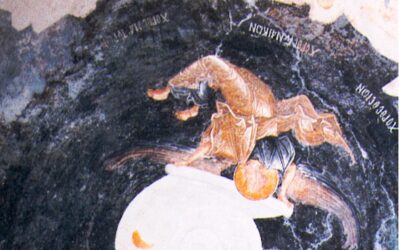
Wings of Gold: Angels in Byzantine Art
This final essay traces how artists dressed the divine in imperial robes, gold sashes, and red shoes, and produced, in the Angel with the Golden Hair, one of the most beautiful faces ever painted. In the previous essay, we traced how Pseudo-Dionysius organized the...
The Celestial Bureaucracy: Hierarchies of Angels
In her third post, Dr. Hara tells us how Seraphim came to outrank Cherubim, and Archangels ended up near the bottom. In the previous essay, we traced the angel’s transformation from local guardian spirit to cosmic warrior under the influence of Zoroastrian dualism....
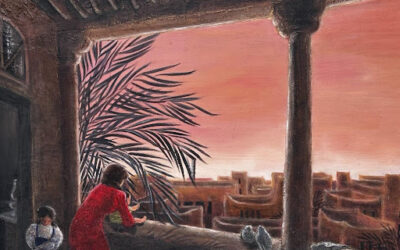
Horizon in Their Hands
Nigel writes about his experience at an exhibition at the King Abdulaziz Center for World Culture - Ithra Centre in Dhrahan, Saudi Arabia. The View, by Rima Mardam Bey, 1983 During my visit to Saudi Arabia this year, I went to an exhibition of women artists (Horizon...
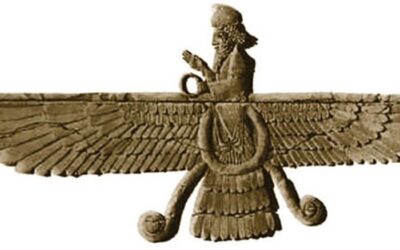
From Ahura Mazda to Lucifer: Angels and the Dualism of Good and Evil
The second part of Dr. Hara's series on angels traces how Zoroastrian dualism handed the cosmos its central plot - good versus evil. In the previous essay, we traced the lineage of the guardian spirit from Sumerian temple guardian to Assyrian colossal. Yet that...
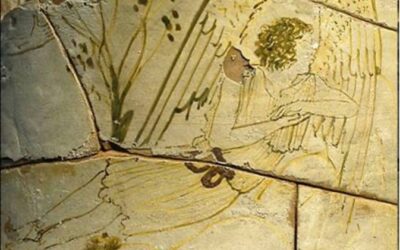
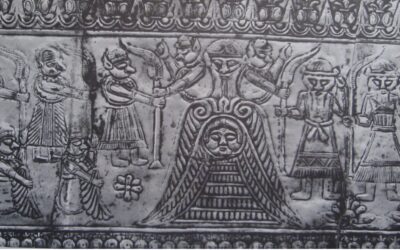
Guardians Before God: The Sumerian Origins of Angels
Dr Hara's research on the winged messengers of Western faith starts with these wingless creatures guarding Sumerian doorways. This is the story of angels and how they learned to fly... When we think of angels, we conjure images refined by centuries of Christian art:...
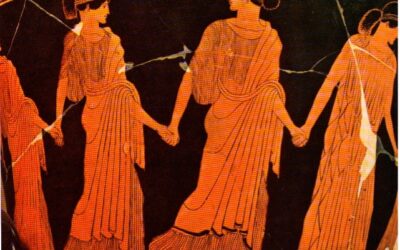
The Little Tanagra: Part 2
Previously in Part 1, Hara writes about young Arsinoe growing into a woman of remarkable talents at the sanctuary of Artemis at Brauron. But longing for freedom, she begins to plan her escape. Arsinoe took longer each day to return from her...
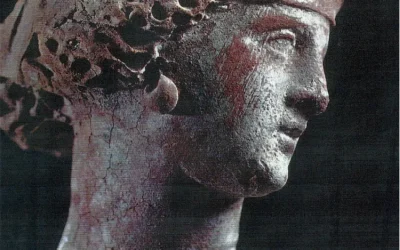
The Little Tanagra: Part 1
We are delighted to introduce a new serialized work of literary fiction from Dr. Hara Papatheodorou: a fairy tale that reimagines the origins of the celebrated Tanagra figurines in ancient Greece. In the small village of Tanagra, in Boeotia, there lived a poor...
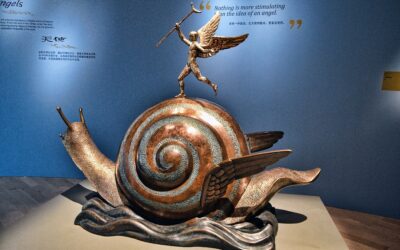
Unsung Heroes of Art History
An Ode to Snail Amidst the splendor of art history, nestled obscurely amongst majestic portraits, mosaic goddesses, and epic battles, an unlikely yet constant character appears time and again: the humble snail. Yes, those slow-moving, shell-carrying...
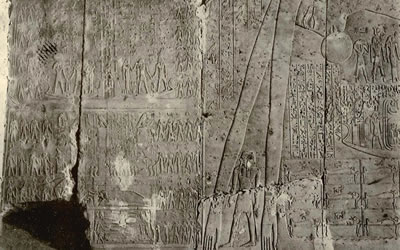
Awe and Reverence
Once, departing Peking (yes, sometimes I use archaic forms as it highlights either our ignorance, our knowledge, or the follies of current, or former, fashion) Chinese officials were searching everyone’s bags for contraband…