Sometimes we feel as though “they” (companies, lobbyists, governments,) are trying to frighten us, to make us feel as though we are in danger, implying that the world is about to end. The purpose of this would be to make us feel as though we need them, which would allow them to control us more effectively and more completely. It is a form of irony. Irony occurs when a situation reveals a reality that is different from what is being stated. The world isn’t ending now. It is for their benefit that they make us think it is about to end, and that only they have they solution.
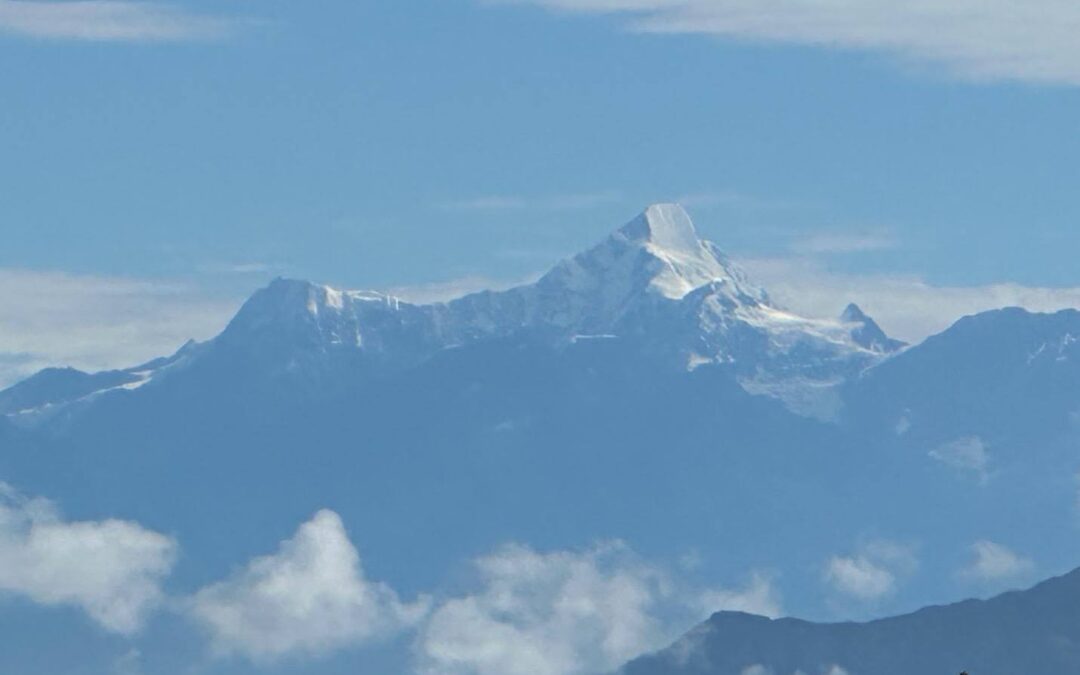
It was my recent trip to Wyoming that made me realize that it is easier than you think to resist this manipulation. The scenery was awe-inspiring and magical. There was a combination of unchanging geography, a rural lifestyle quite unlike much of America, a lingering sense of both early American history and indigenous natives, who symbiotically co-existed with nature. It was profoundly moving.
A rural life in Wyoming is a bulwark against the constant electronic harassment of modern life. Live in a village in a dell, beside a clear running creek, hidden amongst soaring ponderosa pines; or spend time in the high plains, beyond the tree line, with a vista of distant mountains. In one small town I stopped for a peaceful rest by a small cemetery where the view of rolling hills and the sound of cicadas’ singing was blissful. By chance, I met and befriended an 85-year-old guide, history buff and author, Mike Kuzara, who filled me with stories of an earlier world. With such ammunition as inspiration, Wyoming seems the antidote for the miasma of today.
It is clear today there are more ways we are tracked, followed, manipulated and controlled than we were thirty years ago. Artificial Intelligence (AI) knows if you spend a millisecond longer on one picture than on another and can thus determine your emotional response. Tracking all these responses, with its knowledge of your purchases, emails, web searches, etc., allows it to form a complete picture of you. Once it knows what you are like, it is easier to get you to do what it wants.
We may not even know what they are tracking, or to what end they will use this information, or even how they make money off it. All we know is that it is not for our benefit.
Recently, my dentist gave me an electrical toothbrush. I opened the fancy box, (which was large enough to hold 250 toothbrushes), and the instructions told me to download an “app” and, “connect”. Why would anyone do this? Are they selling our tooth-brushing history to insurance companies – so that one day they can send us to retraining classes, disallow our claims, or raise premiums? I heard the other day that when you buy a new automobile that up to 30 components are being tracked on it and that this information is up for sale to the highest bidder. We are told these days to avoid putting our children’s pictures on social media to lessen how much companies (and the governments) know about them.
The news media, the advertising and the entertainment industry, encourage a discussion of unimportant items (such as hairstyles) over substantive issues or the choices and ramifications of policy alternatives. The 1858 election debate between Abraham Lincoln and Stephen Douglas was three hours long, with items discussed being new states entering the union and slavery. Today we have brief “sound-bites” of ephemeral and passing fads.
But we can’t all move to Wyoming. The pastoral world of the shepherd and his flock as a place of escape from the madding world has haunted literature and art for thousands of years. Realistically, what can you do?
The first step is to realize the world is not out of control. There were, are, and will always be, those evil people starting wars and trying to cheat you. You need a centre point; a rock, a philosophy, a way of thinking that has an unalterable position. It could be unchanging Wyoming, your religion, the ancient Greek idea of ‘The Golden Mean’ or some other philosophy or defence mechanism that works for you.
Once you know what you believe in, then you must constantly use that to weigh the harassment of modern life against it. The annoying duct-cleaning calls, the hidden spies reading your emails, the fight against having to pack your own groceries or unreasonable and hidden fees from governments and companies – or whatever bothers you – can be measured to determine whether you ignore or you fight. It is that simple.
The point to remember is that “they” have an agenda and want to control you. The world is not out of control. The irony is that this stress is all planned, they want to make you react. The secret is to say: “I know what you are trying to do, and I will use my tools to resist you”. This is why, of course, they want to destroy all old things and traditions. If you have no centre, it cannot hold, and you are theirs. The key point they want to instill in you is to throw away the old so they can supplant it. Turn the tables on them, and resist.
Contributed by Nigel Scotchmer