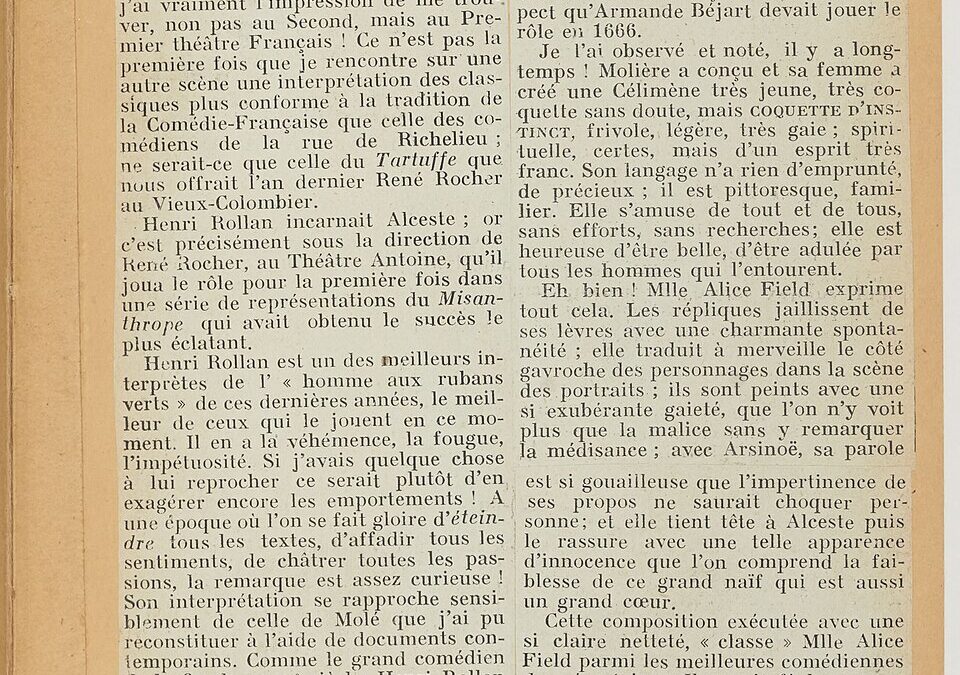
Call them creatorpreneurs. Call it the new Renaissance. Either way, the frame has changed but the hustle hasn’t.
In 1482, Leonardo da Vinci sent the Duke of Milan a letter. It was 11 bullet points long and boasted of his ability to build bridges, design weapons, and only at the very end, he adds that he can “paint like anyone else.” To me, it reads less like a genius at work and more like a LinkedIn post gone viral.
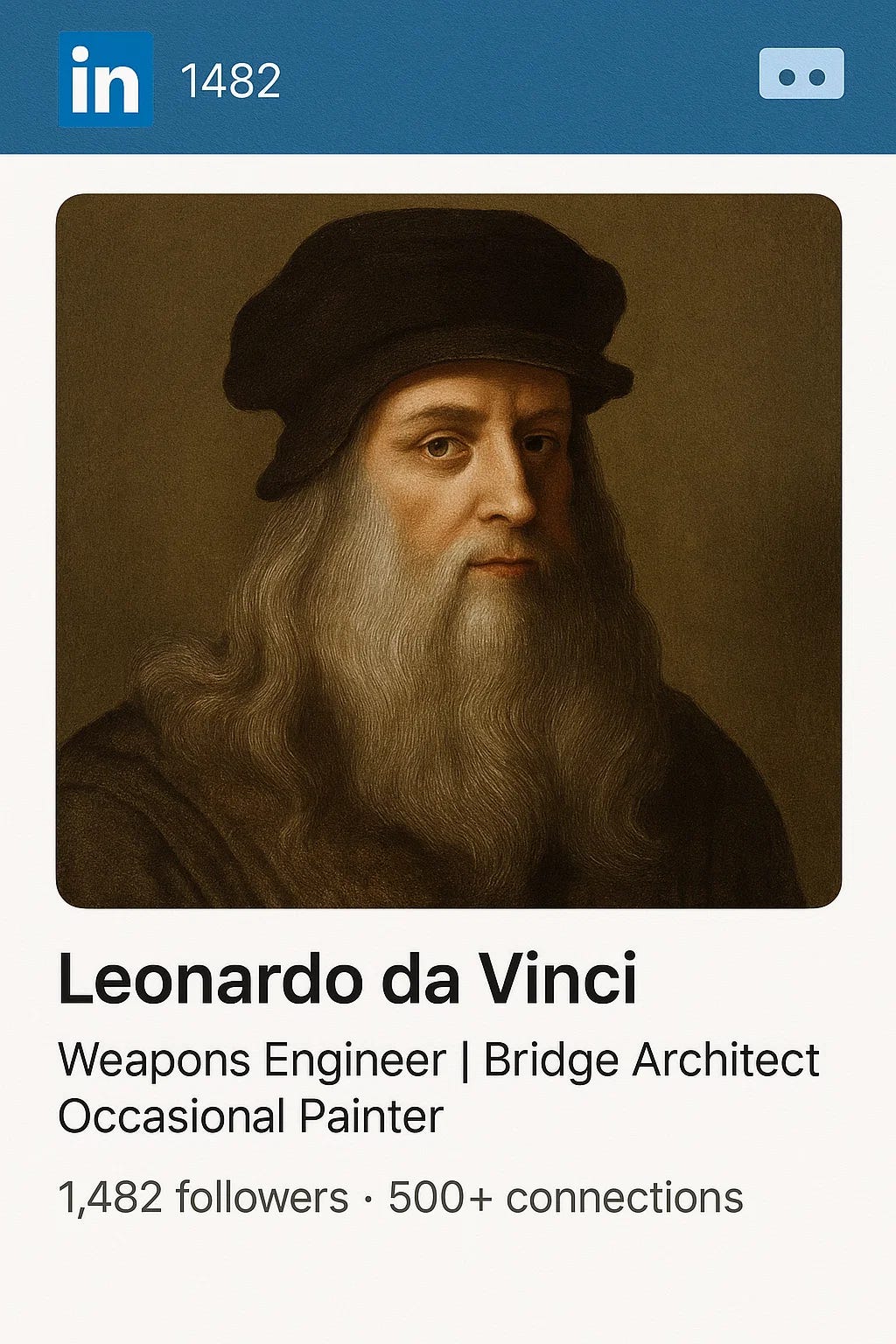
Got AI to have some fun with Mr. da Vinci
Well, even then, da Vinci understood that talent alone wasn’t enough. He had to sell himself. His genius needed a frame.
Today, creatorpreneurs are told the same thing: build a brand, grow your audience, become relevant. From TikTok to Substack, YouTube to Instagram, a new class of digital artisans is emerging, and they face an old problem: how to make meaningful work while dependent on someone else’s favor.
The Renaissance is often remembered as a golden age of artistic genius. Michelangelo. Botticelli. Donatello. Raphael. Machiavelli. Petrarch. Dante Alighieri. You know where I am going.
But here is the thing: these artists were not lone geniuses painting or writing in solitude. They were literal ‘creatorpreneurs’. We coined the term today but the trend existed way back then, too. Because these creators networked too. And strategically. They had to.
Michelangelo had to balance the Pope’s demands with his own artistic vision. Botticelli’s career flourished under the Medici, whose patronage shaped the kinds of mythologies he portrayed. Even da Vinci was not above tailoring his work to the ambitions of powerful men. Sounds familiar, doesn’t it?
The Medicis, in many ways, were the platforms of their time. They controlled distribution (what got seen, where), capital (who got funded), and cultural cachet (what mattered). Today’s creators navigate similar ecosystems except instead of dukes and popes, we have algorithms and subscriptions.
Where the Medicis offered gold, platforms offer reach. But the dynamic is the same: visibility in exchange for conformity. If you want your podcast featured, your video recommended, your newsletter opened, you must play by the unspoken rules. You must optimize.
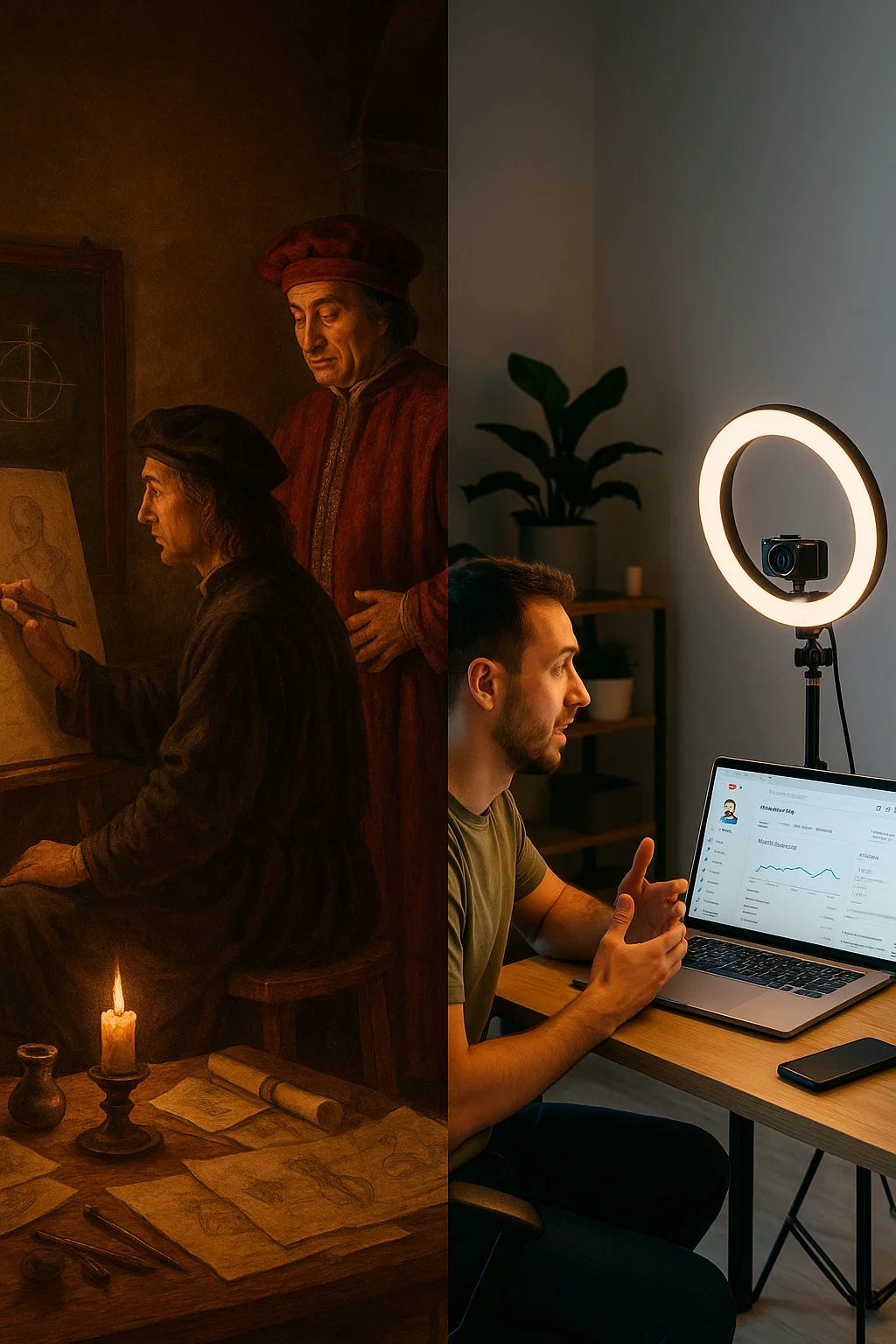
Then and Now
This tension between artistic control and external approval hasn’t gone away. Renaissance artists painted Madonnas to pay the bills before experimenting with anatomy or perspective. Today’s creators write listicles or make reels before they earn the right to go deeper. Some never make it past the algorithmic gate. And some (ahem, yours truly might be one of them) do very unartistic jobs to pay rent and only earn the privilege to create what they want to create after ensuring their livelihood is stable. Take François Rabelais who worked on satire (Gargantua and Pantagruel) at night while holding a medical day job; Thomas More who wrote fiction critiquing politics (Utopia) while himself serving at the top of the government; Giovanni Boccaccio who was a clerk writing tales of plague and human folly; Michel de Montaigne who wrote essays while being the Mayor of Bordeaux. I can go on but you get what I mean. Think of a high-level consultant blogging about radical decentralization or a subversive Substack writer with a medical degree and a burner account. Maybe a laid-off tech worker writing a viral post series to get hired again or the copywriter who publishes dark short stories during lunch breaks. We all know someone like that.
The challenges of these creatorpreneurs remain the same today. Independence is an illusion. Just as artists of the 1500s were constrained by the church or court, modern creators are often bound to opaque algorithmic masters. One platform change, one demonetization policy, and a livelihood evaporates. The tools are different, but the precarity remains.
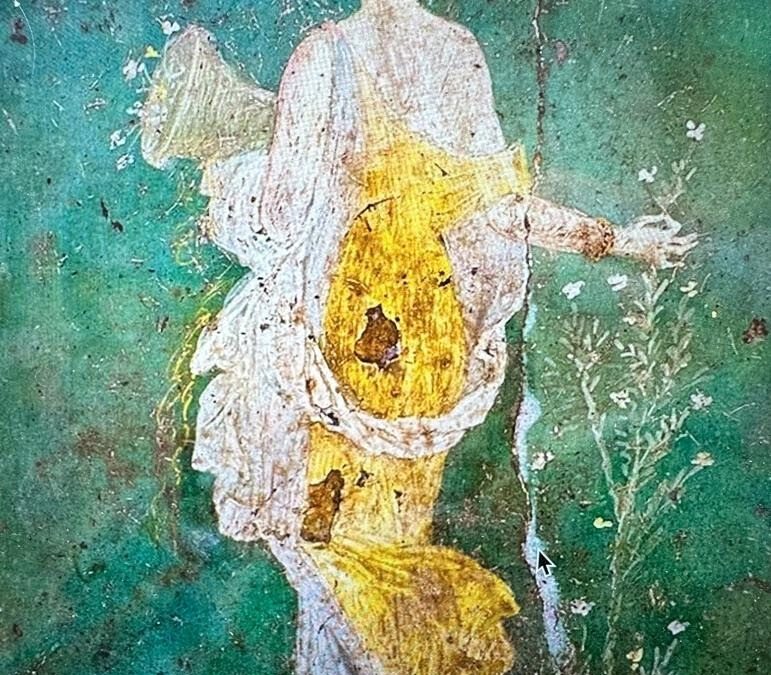
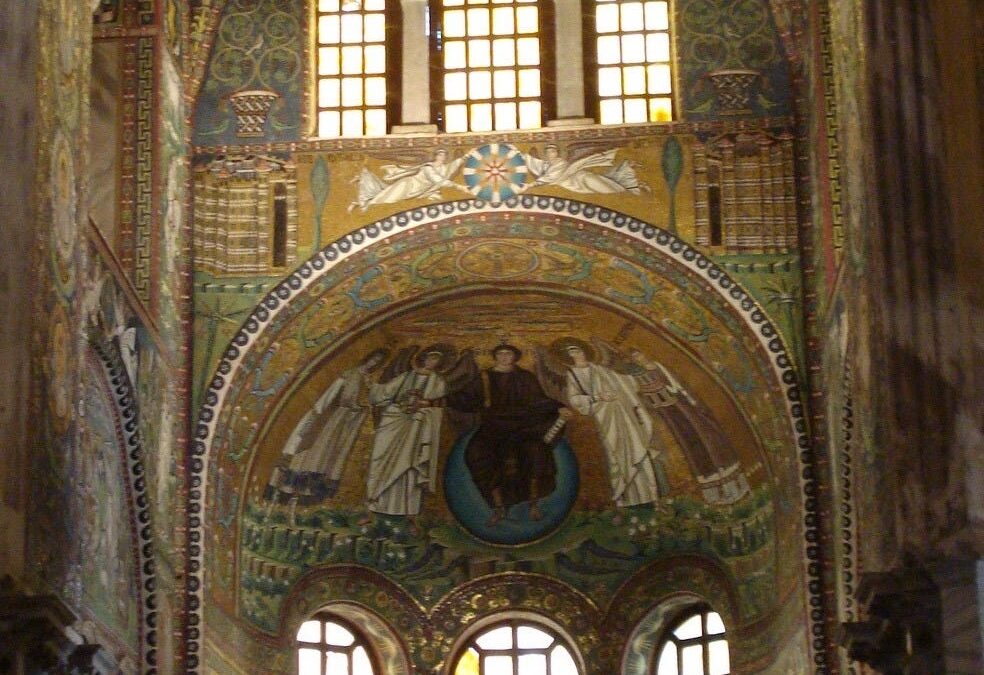
But in between this precarious balance of life and love, we are left with Botticelli’s paintings hanging in the Uffizi, da Vinci’s notebooks gathering dust, and Michelangelo’s ceiling holding up the sky of a chapel. A gentle reminder that even under pressure, beauty persists and, can be accessed by all, for eternity.
Now will a TikTok dance or a viral tweet be remembered 500 years from now? Are we making those kinds of timeless gems anymore? A more important question might be whether we are even interested in timeless stuff anymore. Maybe yes. Maybe not. But perhaps that’s not the point. Every era redefines the artist. The true creator is the one who continues to make, despite the shifting conditions of survival.
Time will decide what is timeless.
And maybe that’s the only constant: the creator, standing between self-expression and the system, negotiating meaning in a world that keeps moving the frame.