Forgotten Heroes #2 – Juana the Tamale

The Canyon of el Sumidero, Chiapas, Mexico

Today we tell another sad tale of famous foods and vegetables left to compost. Juana was a Soladera Tamal of the Mexican Revolution, 1910 – 1920, and her Herculean strength and invincibility so frightened her enemies that they erased all memory of her – even changing her name to Juana Gallo, in the famous song of that name:

Likewise, few know La Cucaracha was originally El Tamal Chili, or Soy Soldado Revolucionario was a corrido by the famous bullfighter Jorge Jalapeño, Somos Tamales de Carne y Maíz.

But you can still feel her presence upon the cliffs of the Cañón del Sumidero, above the calm and winding El Sumidero (see picture above). It was here Juana Teresa the Tamale, surrounded by her trio of Adelitas, Maria the Morita, Antonia the Ancho, and Paloma Pasilla, carved the defining words of the Mexican Revolution:

Traditions and rituals of long-held prejudices,

Of Tyrants and of the Poor

Guide their hands

To the most violent of injustices.

With these opening words, Juana awakened the Tabasco people. Never again would Tabasco be thought of dull, monotonous, dry and devoid of flavour. A born leader, she was able to meld the Soladera, the women soldiers, vegetables, roots and grains, who cooked, cared, and fought for freedom in Mexico. And despite the cost of those killed and eaten, what improvement in tastes she brought!

Juana was the woman men dream of. Medium height, slim, long hair, longer legs, and a round face with round, round eyes. And when she smiled – oh, those smiles! Those smiles transformed her face with matching round, round, and ever-so-soft cheeks. Then she would laugh, and men would follow! She grew up in the age of Pancho Villa and Emiliano Zapata. The dream of a better world, far from the oppression of the Porfiriato, had been born – and Juana was the birth and hope of many a song (and recipe).

She fought for the people, dispossessed of their land by the corrupt and avaricious landowners. In her fiery rage she burned the haciendas of those who had robbed and flogged the peasant farmers of the Chiapas Highlands. She chased the thieves to the protection of the army in the Zona Rosa of Mexico City.
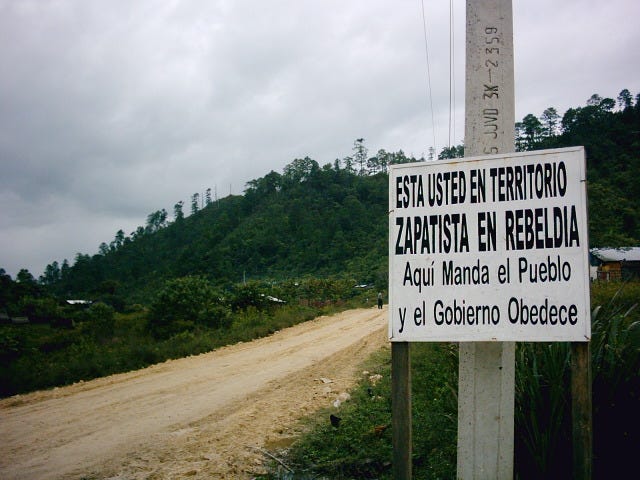
Even today in Chiapas, Zapatistas say the people rule, and the government obeys


Sadly, just as Zapata himself was betrayed and ambushed, dying in the dust with a hundred bullets, Juana was caught, steamed and eaten, along with her chili comrades. Tears of heat were her only revenge.

But why do you hear so little of tamales today? Tamales taste so good, are so simple, whether they are wrapped in banana leaves or corn husks – or served naked. Juana’s tamales, prepared with help of her trio of chili comrades, Srtas. Morita, Ancho, and Pasilla, are prepared the way it has been done for thousands of years by her forbears, the Mesoamericans, long before the arrival of the Conquistadors. Cornmeal steeped in lime water, then steamed for an hour. Their flavour improves with slow and gentle steaming.

Perhaps that is the reason. Our age no longer respects the old ways, the old traditions. Patience is no longer a virtue. Fast food is the cry, the food of the ‘Me generation.’ Who wants to wait? The advertising of the world provides a surfeit of constantly changing imperatives. So the old flavours and the old ways are forgotten. Somehow it is not surprising that in the Nahuatl language, ‘tamal’ sounds like ‘your mother’s truth’; an appropriate name for a food vested in an ancient society, where meaning was found around the fire, in the mother’s cooking.

Try them, and think of the past.
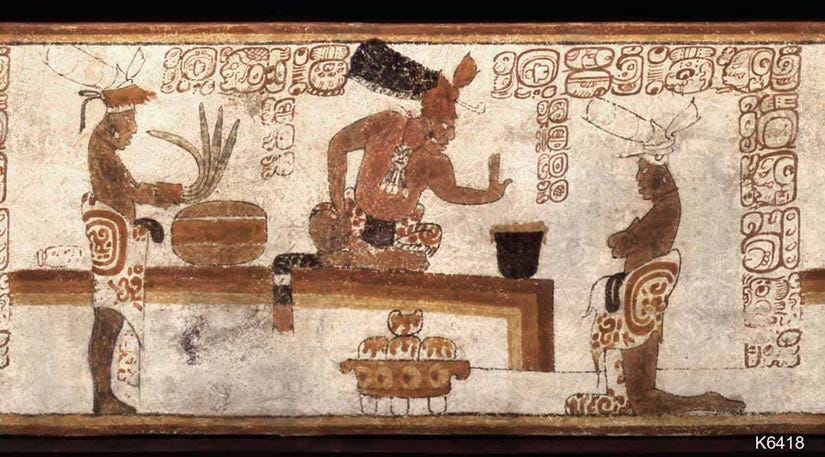
Preparation of amaranth tamales for the Mayan god Xiuhtecuhtli.


Contributed By Nigel Scotchmer

Author

  • Nigel Scotchmer

    Nigel’s peripatetic path in life gives him, he believes, a unique perspective on the world around him. He has worked at many occupations over the years from driving a truck, writing welding standards, to being an international salesman,\ accountant and business owner. Brought up in a family that believed that Antigone in the Greek myth was correct to stand up and die for her belief that fairness and truth were more important than the ranting raves of the unthinking mob – his father accepted the consequences of refusing to fire a homosexual in the 1950s – Nigel believes irony is the greatest tool for both encouraging equity and our enjoyment of life. Since irony involves the interplay between emotions, reality and chance, its appreciation can provide meaning to the often inexplicable world in which we live. He said, when interviewed for this summary: “No, we can’t all be heroes, and too often we make the wrong choice, for the wrong reasons – but at least irony can bring peace to us by helping reconcile the warring elements.” Nigel loves literature – especially books and poems that deal with universal themes such as love, war, and justice – and is now happily retired from the world of business. Ironically, (like countless retirees before him!), he says he has the ambition to be a great writer and is currently writing fiction full-time…. Visit him at https://nigelscotchmer.com/

More Irony

Miscellaneous Ramblings #9 – Part 1, Recognizing Evil

Miscellaneous Ramblings #9 – Part 1, Recognizing Evil

“The line separating good and evil passes through every human heart.” Aleksandr Solzhenitsyn, The Gulag Archipelago I was in Budapest when I heard about the mass shooting at Tumbler Ridge, British Columbia. One of the worst things about this horror is how quickly it...

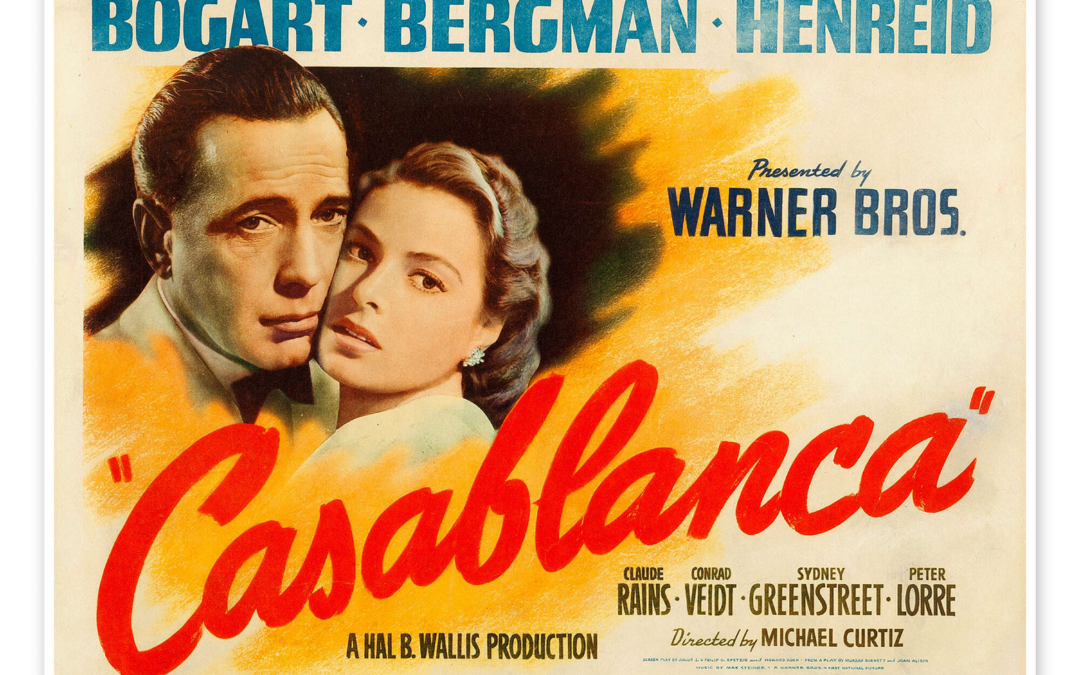
RETVRN to Casablanca

RETVRN to Casablanca

The inconvenient Liberalism of a "traditional" classic “I’ve often wondered why you don’t return to America.” When the French police chief says this to Rick, we learn he’s an exile. We never learn why, but we get hints of communist leanings. “You ran guns to Ethiopia....

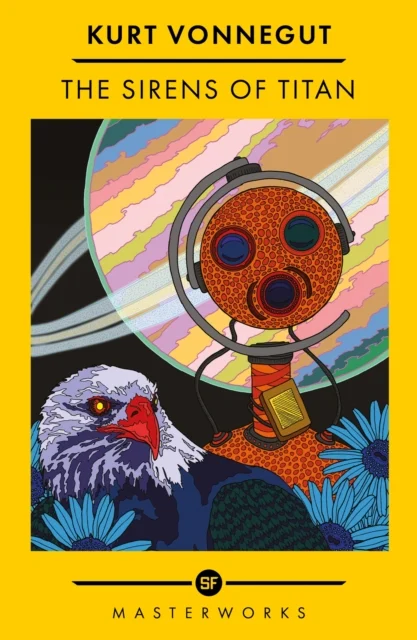
The Reading Chair: Falling in Love with The Sirens of Titan

The Reading Chair: Falling in Love with The Sirens of Titan

…and the Joke That Explains Everything “A purpose of human life, no matter who is controlling it, is to love whoever is around to be loved.” Famous words by Malachi Constant, the man who gets rich by chance and ends up in space by chance, feels extraordinarily deeply...

The Zambian Dream

The Zambian Dream

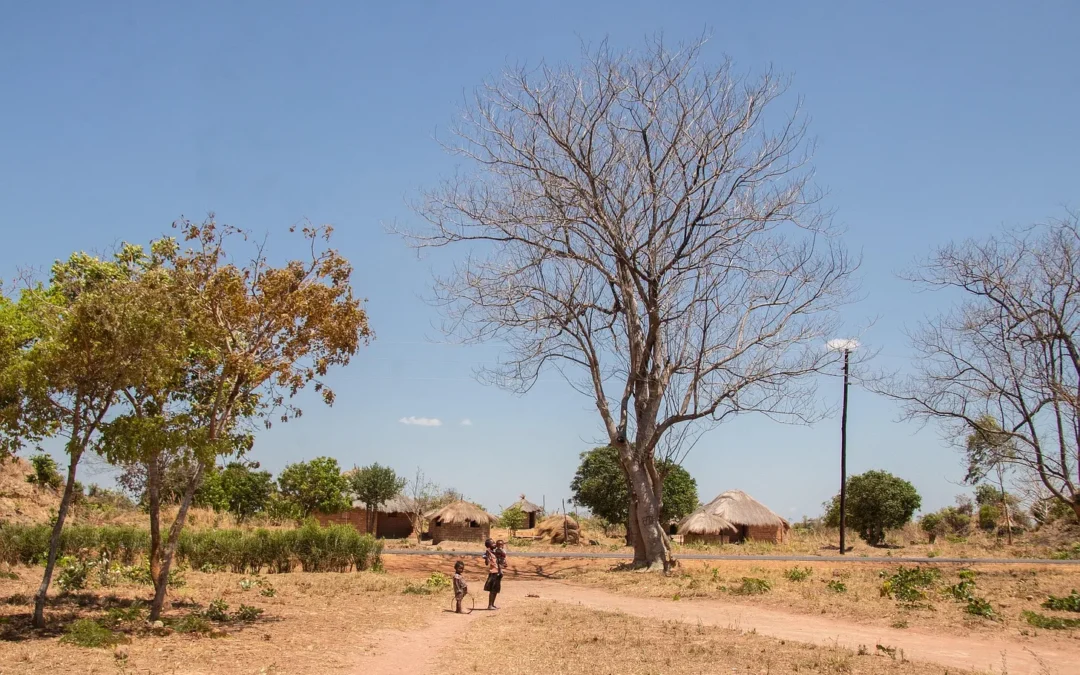
Kachingo Sondo is a corresponding freelancer originally from a village outside of Garampande, near Livingstone, Zambia. Zambian village, by Tom Chiponge, Pixaby Call me Phiri. I drive a taxi in Lusaka. That is, when I have money, I rent a taxi to try and make more...

Air: The Fourth Elemental Ironist

Air: The Fourth Elemental Ironist

The final one in the Ironist series - air - the silent carrier of truth, lies, and everything in between. Today, we conclude the Ironist series on the fourth element - air. Invisible, omnipresent, and so essential. Moving through us without fanfare. We inhale it,...

The Angel of the Archive: The Synod of the Left Shoe

The Angel of the Archive: The Synod of the Left Shoe

Jonathan Bennet talks about surefooted stances in the world of shoes and the not-so-surefooted stances of those who argue about them. Among the lesser church councils of the thirteenth century—those trivial, haphazard regional gatherings of abbots and prelates...

Earth: The Third Elemental Ironist

Earth: The Third Elemental Ironist

Welcome back to the Ironist series. Today, we delve into the third ironist – the earth, humble but powerful. Having absorbed human ambitions with geological patience, it has witnessed empires crumble to dust, ideologies sink into nothingness and kingdoms pass like...

The Irony Club

The Irony Club

Can't get enough of irony, can we? So, we created a club. Welcome one and all! We would like to thank you for subscribing to The Ironist and for your kind encouragement over the past two years. It has meant more to us than we can easily say. As a result, we have some...

Say Not, “the Struggle Nought Availeth.”

Say Not, “the Struggle Nought Availeth.”

The new year is here... As the year turns, I find myself thinking about what we carry forward and what truly matters. The grand sweep of The Lord of the Rings enthralled me in high school. I had read it two or three times by the time I reached university. It was the...