In 1729, Jonathan Swift wrote what might be history’s most horrifying dinner suggestion. He wasn’t hungry, just tired of moral hypocrisy.
I discovered Jonathan Swift in school through his masterpiece, Gulliver’s Travels. I was fascinated with the places Gulliver visited – and that’s probably what injected me with wanderlust. In this piece though, I want to talk about another work of his, something of a far greater import.
During his lifelong study of human indifference and cruelty, Swift did what any reasonable person in his place would : he suggested we eat babies.
Author of ‘Mis(s)adventures of a Salesgirl’ and ‘The 13-year-old Queen’, Aashisha moonlights as a marketing strategist and content professional. A computer engineer and MBA with 8 years of marketing experience and a globetrotter with 30 countries stamped on her passport, she is currently working on her third novel and a collection of free verses. She trusts Charles Bukowski when he said,"Some people never go crazy. What truly horrible lives they must lead."
Connect with her @aashisha_themindbin on instagram or visit her at www.aashisha.com.
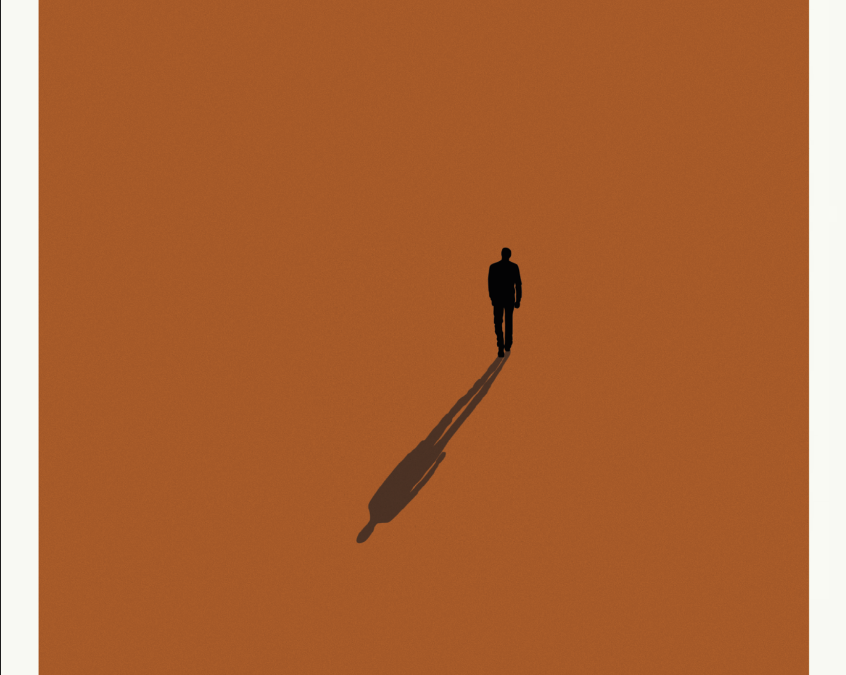
Aashisha reviews the upcoming biography of David Rhoiney No One’s Coming to Save You, releasing on 8 Dec, 2026. No One’s Coming To Save You by Ed William is the true story of David Rhoiney, a boy who spent his childhood in a homeless shelter and grew up to become a...
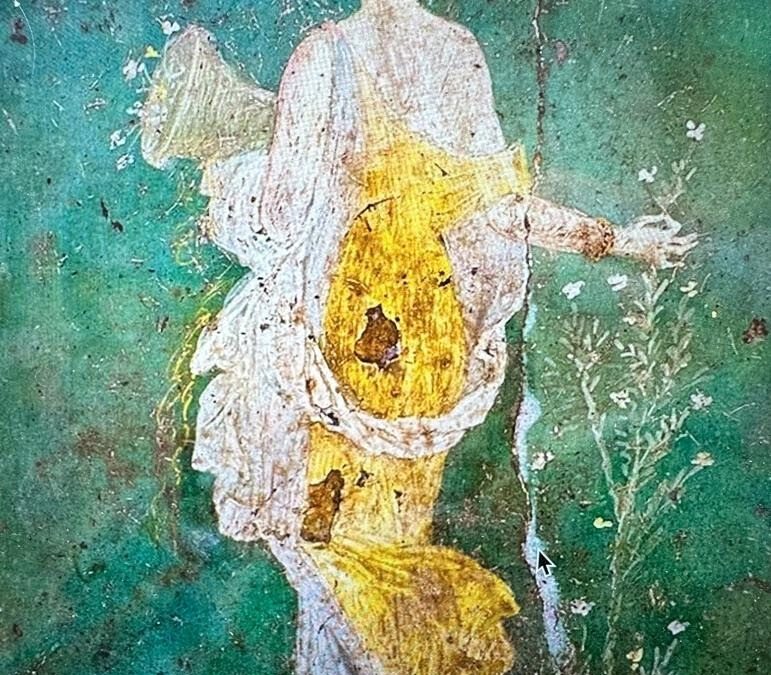
What survives of Sappho is fragments, yet it still burns. An appreciation of the poet who made the personal universal. A fresco in the triclinium, Villa Ariana, Stabia, Italy Come, let me tell you about Sappho’s writing. Her work is daring, mixing the expected with...
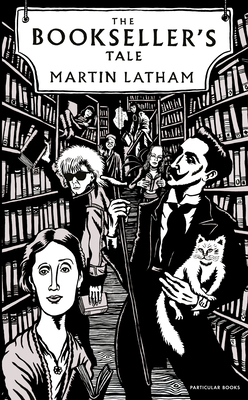
Peter writes his seventh essay on his comfort books and a review of The Bookseller’s Tale. Picture Credit: Goodreads Polonius: What do you read, my lord? Hamlet: Words, words, words. Polonius: What is the matter, my lord? Hamlet: Between who? Polonius: I mean, the...
Read Jim's version of Walden in his meditation on the hidden Oxbow pond. You know the fable and so do I. The homely frog prince-in-waiting, pining away on his lily pad being ignored by all the beautiful princesses, until that fateful day. The moral? Maintain hope,...
Revisiting a Bombay neighbourhood through Rohinton Mistry’s story collection I have a soft spot for books that engage in storytelling for the sake of it. No plot as such. Just a writer at their desk, writing about people they see through their window. The window this...
AI says that the Leafs game in the 1960s never happened but Jim Sugiyama was there with his dad and remembers every goal. This morning I am thinking about Dad. Yes, it’s three days after official Father’s Day, but truth be told, there isn’t a day that goes by during...
(Taittiriya Upanishad, Shikshavalli I.11.2) Great India #1 Nanda Devi from the Himalayan Writing Retreat I have just returned from nearly a month spread between Delhi and The Himalayan Writing Retreat. The first morning I woke to the screaming chirps of ten green...
Peter writes his sixth essay on the 'abusage' of language, an affliction all too rampant today. Polonius: What do you read, my lord? Hamlet: Words, words, words. Polonius: What is the matter, my lord? Hamlet: Between who? Polonius: I mean, the matter that you read, my...
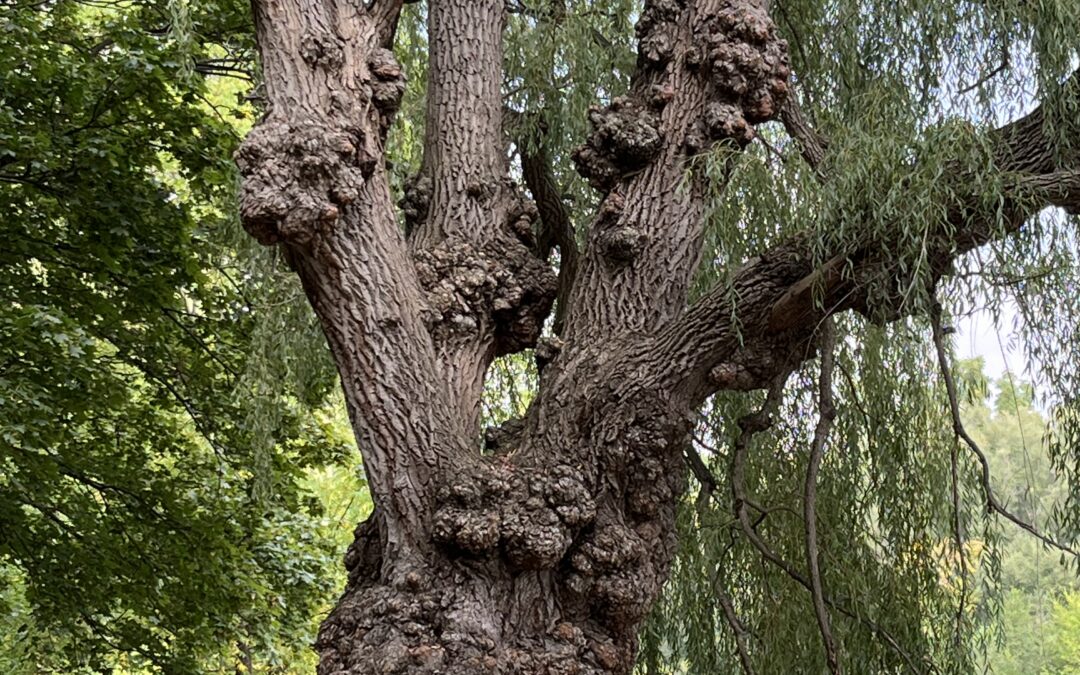
A rambling on language, leisure, beauty, and the business of accepting what we can't control. Some things we think about, some we ignore. And some are more important than others. Does it matter if we fight against the inevitable? Or should we just accept it? Apse of...
Peter Scotchmer's latest short story introduces us to Wilf Wolflinger, apparently the smartest man on the street. My name is Wilf Wolflinger. You might have heard of me. I used to write travel books, but I’m too old for that now. My travelling days-- to Bogota or...