The Ironist

Differing Perspectives

The Angel of the Archive: The Philosopher Who Forgot What He Believed

In the Angel of the Archive series by Jonathan Bennett, this one is about a footnote that baffled generations.

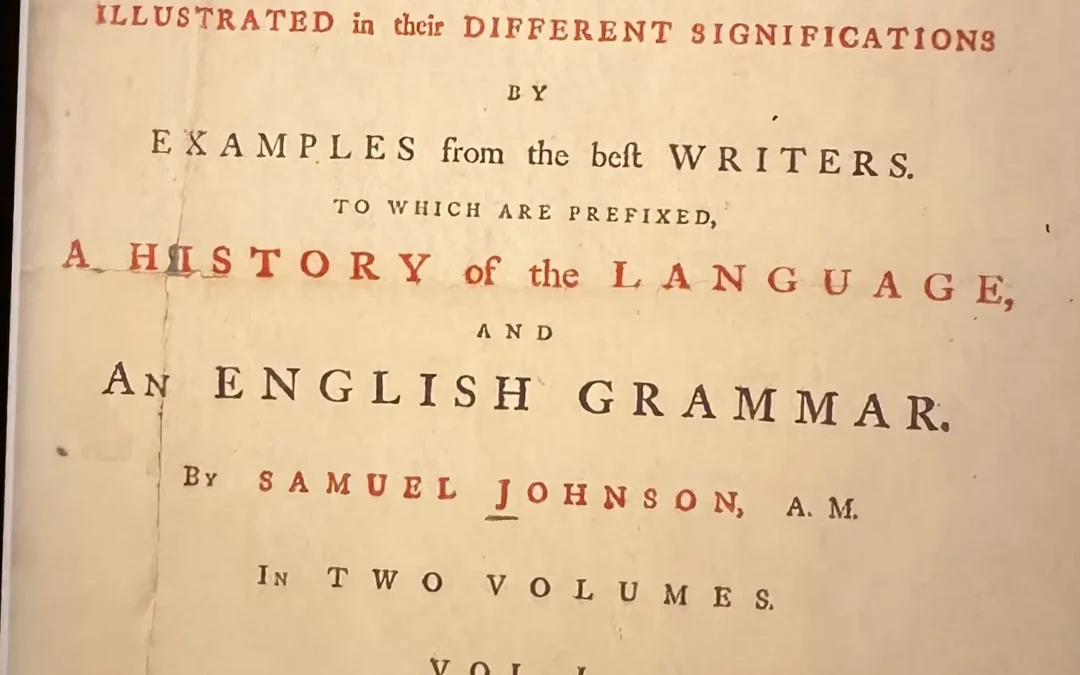
In 1723, a minor German philosopher named Johann Andreas Grüber published a dense metaphysical and epistemological treatise entitled De Tenebris Rationis (“On the Darkness of Reason”). The work had been his life’s labour for nearly three decades, during which he had eschewed marriage, family, and society in pursuit of its completion. It was not widely read, and those who did attempt it complained of its convoluted structure, baroque Latin, and lengthy footnotes that referred—often bitterly—to other works of Grüber that he, in fact, never wrote.

What makes De Tenebris Rationis notable is not its content, which no one has ever bothered to summarize, but a note discovered in the sole surviving copy, now belonging to the Stadtbibliothek of Würzburg.

What kind of an Ironist are You?

Take the quiz and find out.

The note, in German, appears in Grüber’s own hand, written shakily in the margin of the final page:

“I have read this book three times and must confess, with growing unease, that I no longer know whether I agree with it.”

No further writings by Grüber are known to exist. His name disappears from the public record soon afterward. One contemporary letter suggests he retired to a small village and took up beekeeping “for reasons of ontological fatigue.”

Philosophical journals occasionally reference Grüber’s Paradox: the tendency of complex intellectual systems to erode the memory of the beliefs that built them.

It is unclear whether this paradox is Grüber’s invention, or a joke at his expense.

Contributed by

Jonathan Bennett
Author

  • Mr. Jonathan Bennett is a historian by education, a chef by profession, and an ironist by necessity. Once on a trajectory toward a lucrative career in law, he took a sharp turn into the far less profitable (but arguably more flavorful) world of fine dining. After tiring of crafting exquisite dishes for a pittance, he found himself cooking for a less discerning clientele beyond the Arctic Circle - as with most of his life, an existential joke not lost on him.

    His passions lie in history, particularly the Middle Ages, Byzantium, and the Renaissance. As well, he is drawn to religion, art, literature, and certain esoteric interests best discussed over a strong drink (or two). A seasoned traveler, he is equally at home everywhere from fine Viennese cafés to alchemist’s dens beneath the streets of Prague, crumbling ruins high in the Caucasus mountains, and the labyrinthine alleys of Old Damascus.

    Despite being voted in high school as both ‘most likely to become a third-world dictator’ AND ‘most likely to become a monk’, neither fate has yet come to pass. He resides part of the time in Montreal, where he continues to indulge in debates – usually defending causes long since lost.

More Irony

From San Blas to Oxford: A Review of Shooting Up

From San Blas to Oxford: A Review of Shooting Up

A missionary family raises four boys in one of Madrid's most drug-ravaged neighbourhoods. Jonathan Tepper's memoir traces an extraordinary journey. Jonathan Tepper’s Shooting Up is much more than the account of four brothers in a missionary family growing up in Spain...

The Celestial Bureaucracy: Hierarchies of Angels

The Celestial Bureaucracy: Hierarchies of Angels

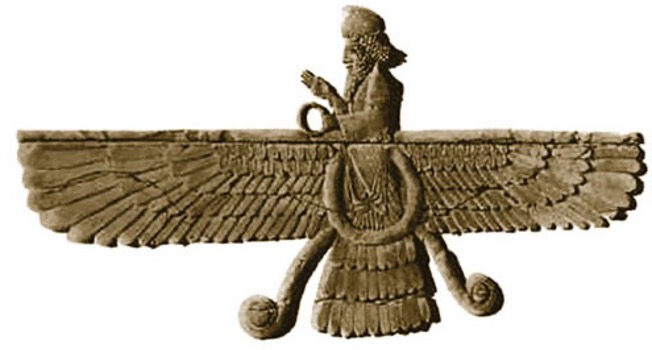
In her third post, Dr. Hara tells us how Seraphim came to outrank Cherubim, and Archangels ended up near the bottom. In the previous essay, we traced the angel’s transformation from local guardian spirit to cosmic warrior under the influence of Zoroastrian dualism....

WORDS, WORDS, WORDS III

WORDS, WORDS, WORDS III

Polonius: What do you read, my lord? Hamlet: Words, words, words. Polonius: What is the matter, my lord? Hamlet: Between who? Polonius: I mean, the matter that you read, my lord. (Hamlet, II, ii) As part of The Ironist’s continuing series of articles on language and...

Guardians Before God: The Sumerian Origins of Angels

Guardians Before God: The Sumerian Origins of Angels

Dr Hara's research on the winged messengers of Western faith starts with these wingless creatures guarding Sumerian doorways. This is the story of angels and how they learned to fly... When we think of angels, we conjure images refined by centuries of Christian art:...

RAMBLINGS #10 – Goodbye Mt. Parnassos, Hello War

RAMBLINGS #10 – Goodbye Mt. Parnassos, Hello War

A drive down from myth-haunted Mt. Parnassus into the passes, graveyards, and battlefields Picture Credits: Edward Dodwell, Public domain, via Wikimedia Commons   It is said that Zeus, the great philanderer, lay with Mnemosyne (Memory), a Titan, for a marathon...

WORDS, WORDS, WORDS II: Inspiration

WORDS, WORDS, WORDS II: Inspiration

This is the second essay by Peter on the intricacies of the English language. Here, he writes on where inspiration comes from, and why no amount of effort can quite summon it. My first piece in the English language series talked about the quality of writing that...

The Last Puritan

The Last Puritan

Alexander Montgomery writes a fleeting, intimate glimpse of Glenn Gould, the genius and the strange solitude of his greatness. Glenn Gould’s sitting in Fran’s Deli, St. Clair East, and I sit here, watching him from the pub across the street. There he is, the bastard,...

The Awkward One: Rediscovering Mary Bennett

The Awkward One: Rediscovering Mary Bennett

About the most forgettable Bennet sister and a retelling of Pride and Prejudice... “There are few people whom I really love, and still fewer of whom I think well. The more I see of the world, the more am I dissatisfied with it; and every day confirms my belief of the...