Nigel writes on the irony of hindsight, and how looking back is the only way we ever really learn.
“It is a narrow mind which cannot look at a subject from various points of view.”
– George Eliot, Middlemarch
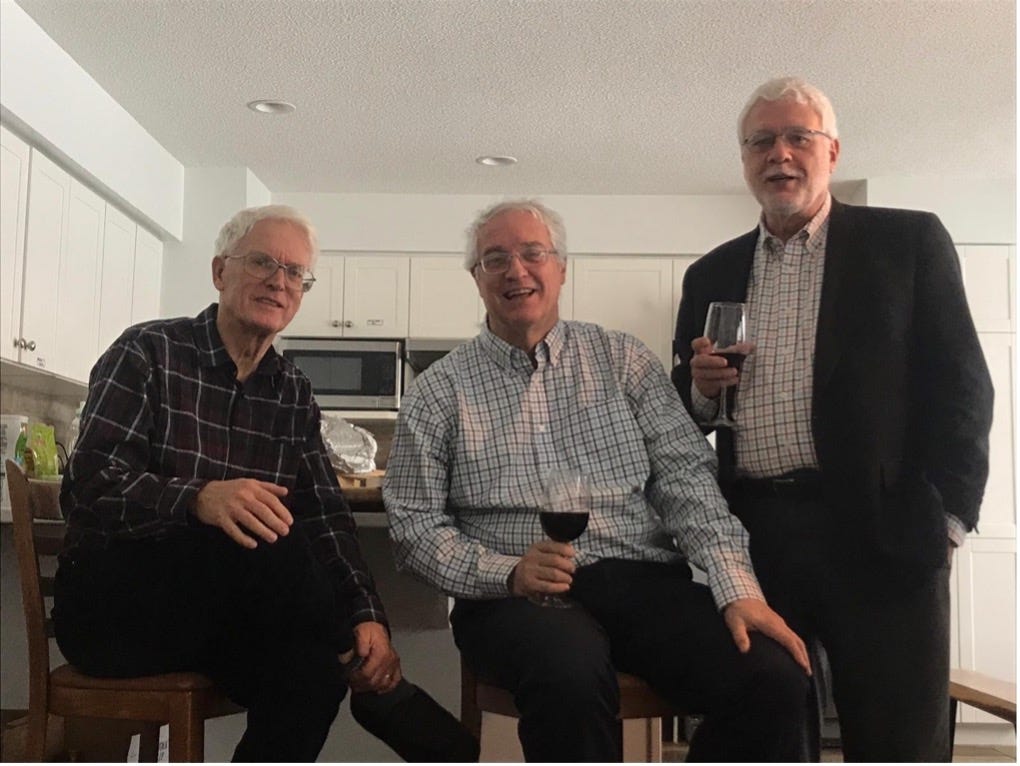
Los Tres Hermanos
It is a long drive to Ottawa, and one that I have done many times. Essentially, I grew up there and left to go to university. This weekend I was back to babysit a grandchild and to visit one of the Tres Hermanos, my oldest brother. We three brothers were always close, enjoying literature, irony, and great themes affecting the human condition. We were all deeply influenced by our father, who was highly principled. In fact, it was our father who particularly noted the ironies in his life – more on this below.
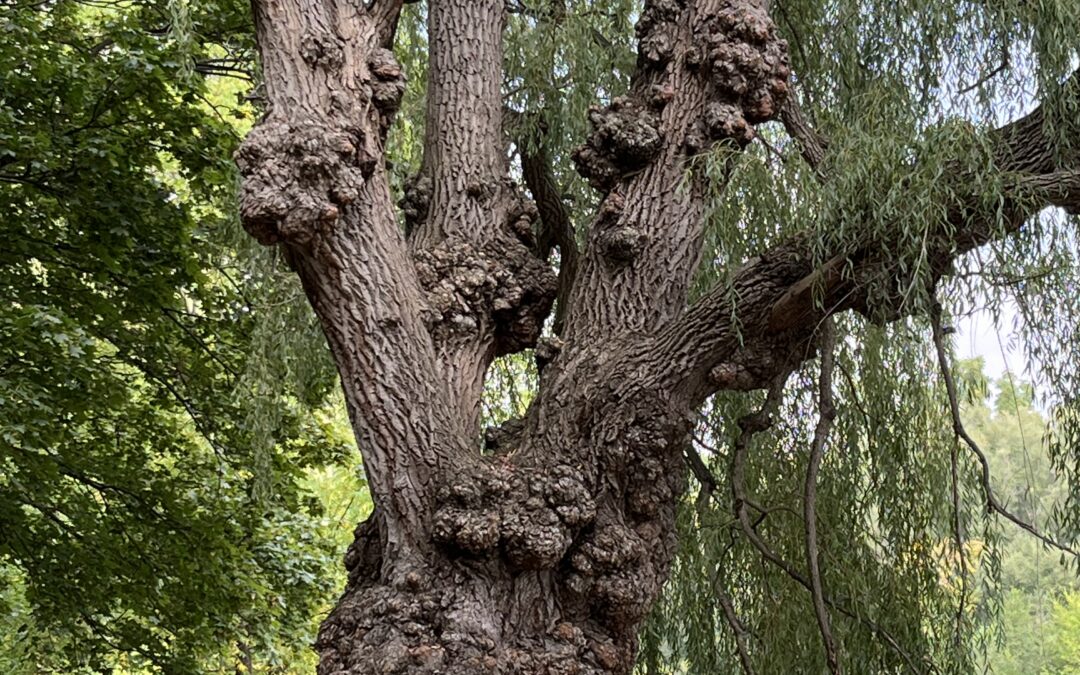
The autumn is more advanced there than in Toronto, and the fullness of the year is always a time that encourages reflection. Ottawa has changed a great deal in 50 years, discovering traffic jams, becoming less parochial and more cosmopolitan without losing the ‘niceness’ of being Canadian – something most of Toronto has sadly lost. The colours of the trees, the coolness of the evening, the gentle breeze and the delightful afternoon warmth is unique and so unlike the more-praised summer days. If it were not for rasping of the dried leaf traversing the cold grey road, you might forget that this sound is the harbinger of the coming brutal winter…
When you return somewhere you once were, or consider past actions, you likely think how you may have acted differently, and if this would have caused a different outcome. Robert Frost’s The Road Not Taken[1] is a poem that weighs choice and his greatest friend, “the only brother (he) ever had[2],” Edward Thomas, in Roads[3], adds the dark metaphor of the cost of that choice which is often in the news these days, war:
…Now all roads lead to France
And heavy is the tread
Of the living; but the dead
Returning lightly dance…
Speaking of past actions and choices, the Ironist is getting a makeover!
We would like to thank our subscribers and announce that following their requests we’re launching a podcast and opening our doors to new topics and guest contributors. Literature will remain central, but we’ll widen the lens to irony wherever and whenever it reveals itself. Stay tuned, and invite others who might enjoy joining this next chapter of The Ironist.
I thought I would close with an episode my father mentioned years ago, one that came back to me as the research commissioned for the biography I’m writing about him arrived this week from the excellent German National Archives. (This research is in E-boats (Schnellboots in German) operating in the English Channel, one of which my father had an encounter with).
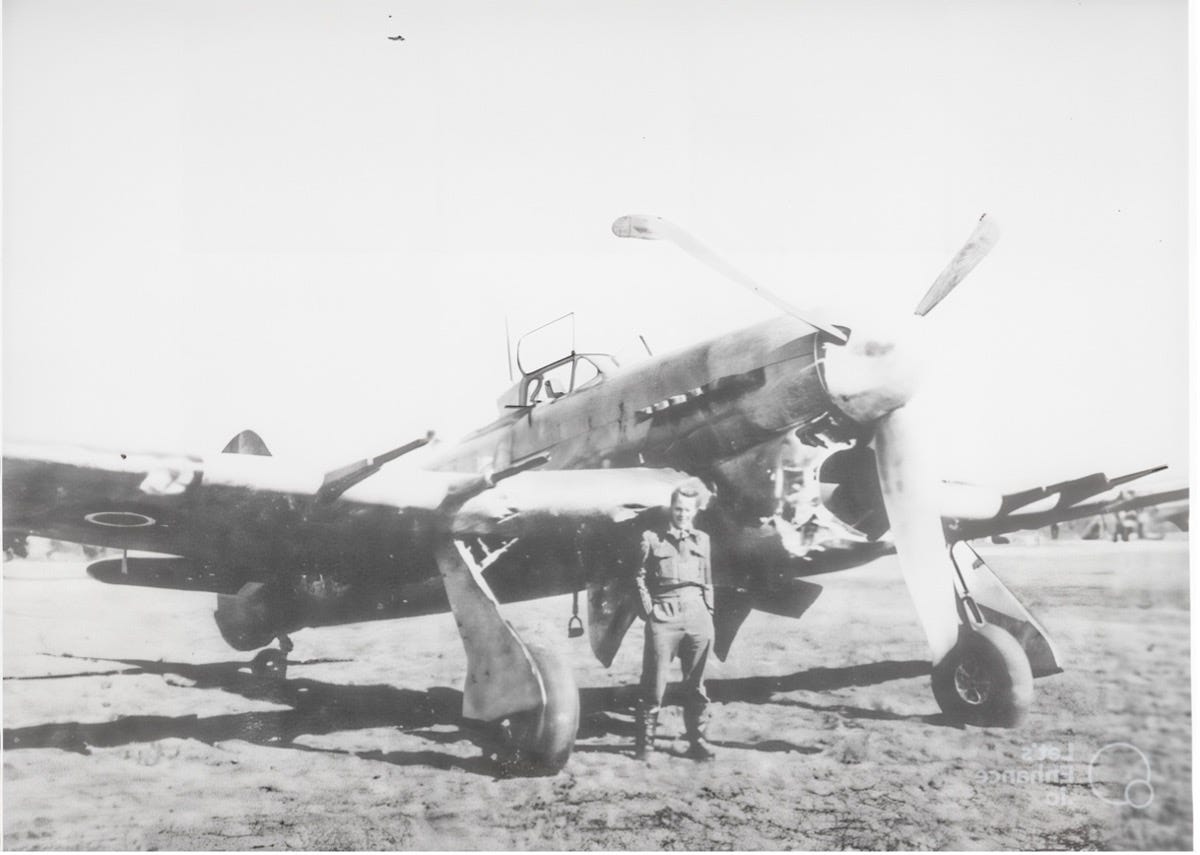
My father and his Typhoon after meeting an E-boat in the Channel
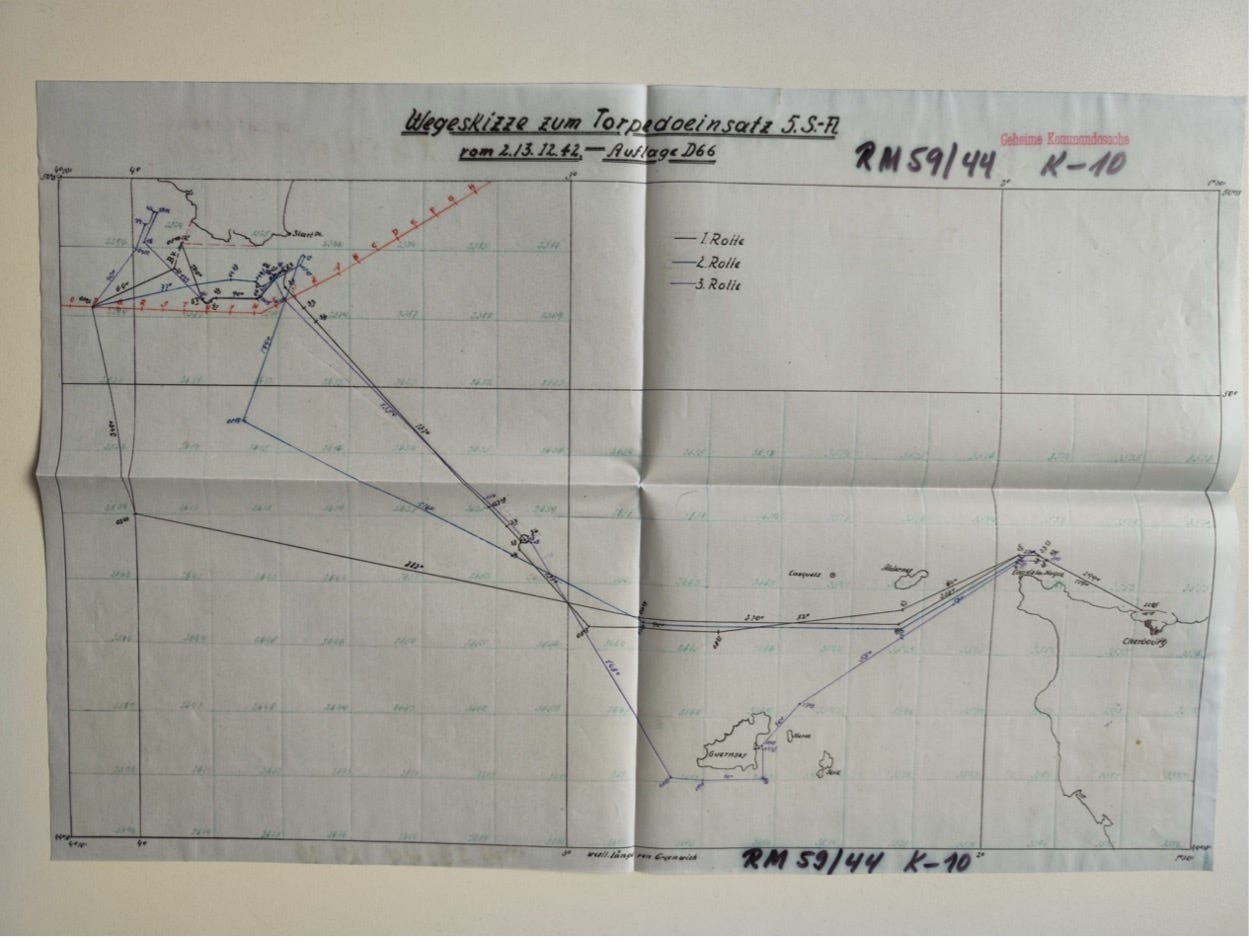
A possible route map of the E-boat
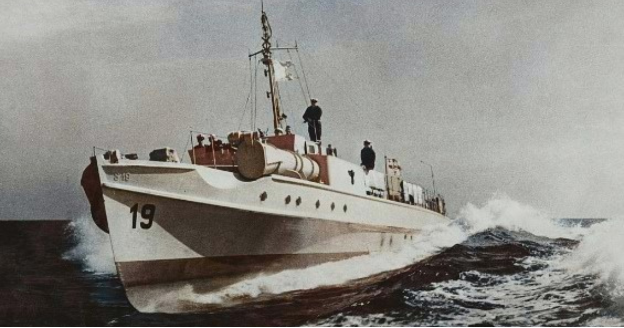
A fast E-boat at speed
Back in 1941, important German warships were docked at Brest. On one mission, my father’s flight was to provide aircover against German fighters that could otherwise attack the bombers sent to torpedo the warships. Co-ordinating the surprise arrival of British fighters and bombers at the same time over Brest was very difficult given radio silence, different flight plans for different types of aircraft, all made almost impossible as single-engined fighters had written instructions such as “20 minutes, bearing x, at altitude y, indicated air speed z…,” and could not adjust for variables such as changes in wind speed. This caused great consternation in planning – many pilots, including my dad, predicting disaster.
Luck was indeed absent. My father’s flight arrived early, circling overhead and waking every anti-aircraft battery in Brest. Thus, the subsequent arrival of bombers was expected and resulted in the death of most of the bombers and their crews. Of course, some of the fighters were hit and lost, too, as they aimlessly and uselessly circled Brest – providing ample opportunity for advanced gunnery practice for the 88mm flak crews below.
Livid, my father returned to his airfield at Exeter, storming into the Commanding Officer’s office without permission, or employing the required protocols (a typical Scotchmer, you might think). My dad then proclaimed that the Commanding Officer was responsible for killing 30 trained aircrew.
The officer, still seated, looked at my father and said calmly,
“I alone must live with the knowledge of the men I have killed. You are now off duty. Go to the Mess and have a drink with the others.”
That response left a deep impression on my father, and on me in hearing it years later. The irony was striking: a man hardened by war spoke not of victory or glory, but of humility and responsibility. In that moment, he revealed how much we can learn from others when their perspective cuts through our own assumptions.
It is a reminder that our prejudices often limit our understanding, while situations and experiences are always more nuanced than they appear at first. There are always subtleties we can learn from considering, and re-considering, both our own actions and those of others.
[1] https://www.poetryfoundation.org/poems/57265/roads-56d23a98e9981
[2] Cubeta, P. M. (1979). Robert Frost and Edward Thomas: Two Soldier Poets. The New England Quarterly, 52(2), 147–176. https://doi.org/10.2307/364837
[3] https://www.poetryfoundation.org/poems/57265/roads-56d23a98e9981