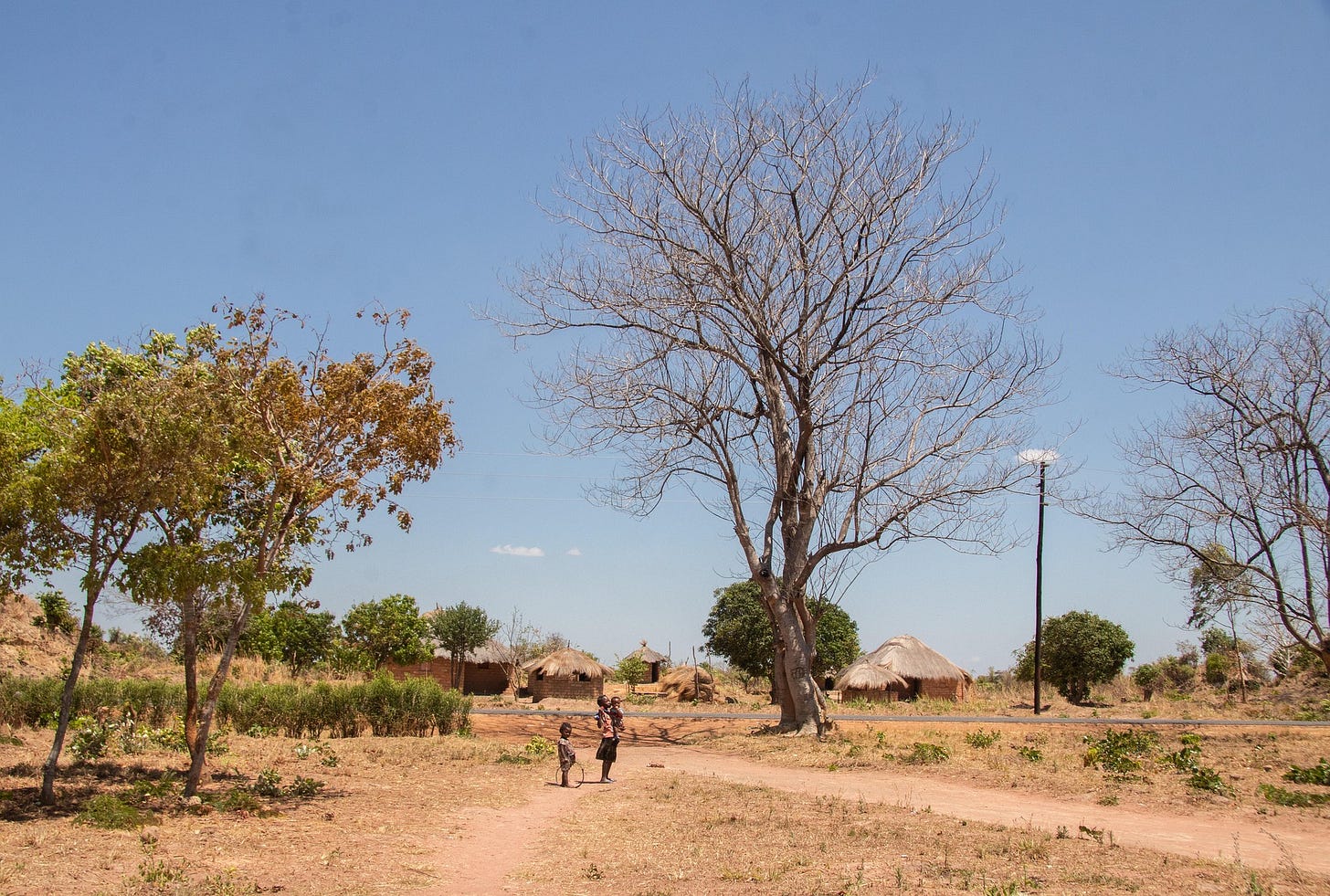
Zambian village, by Tom Chiponge, Pixaby
Call me Phiri. I drive a taxi in Lusaka.
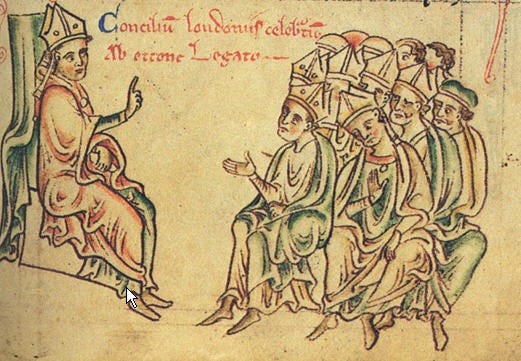
That is, when I have money, I rent a taxi to try and make more money taxiing. I’m like the Wandering Jew in the mediaeval story. Except that I don’t know what I did wrong. In the fable they say he taunted Christ on the cross and was doomed to wander forever. Maybe that is the problem; I should not have left my village. But I was young and wanted to improve my lot in life. I’ve worked hard; maybe I should have done less. I am marked and cursed like Cain. And I see no way out.
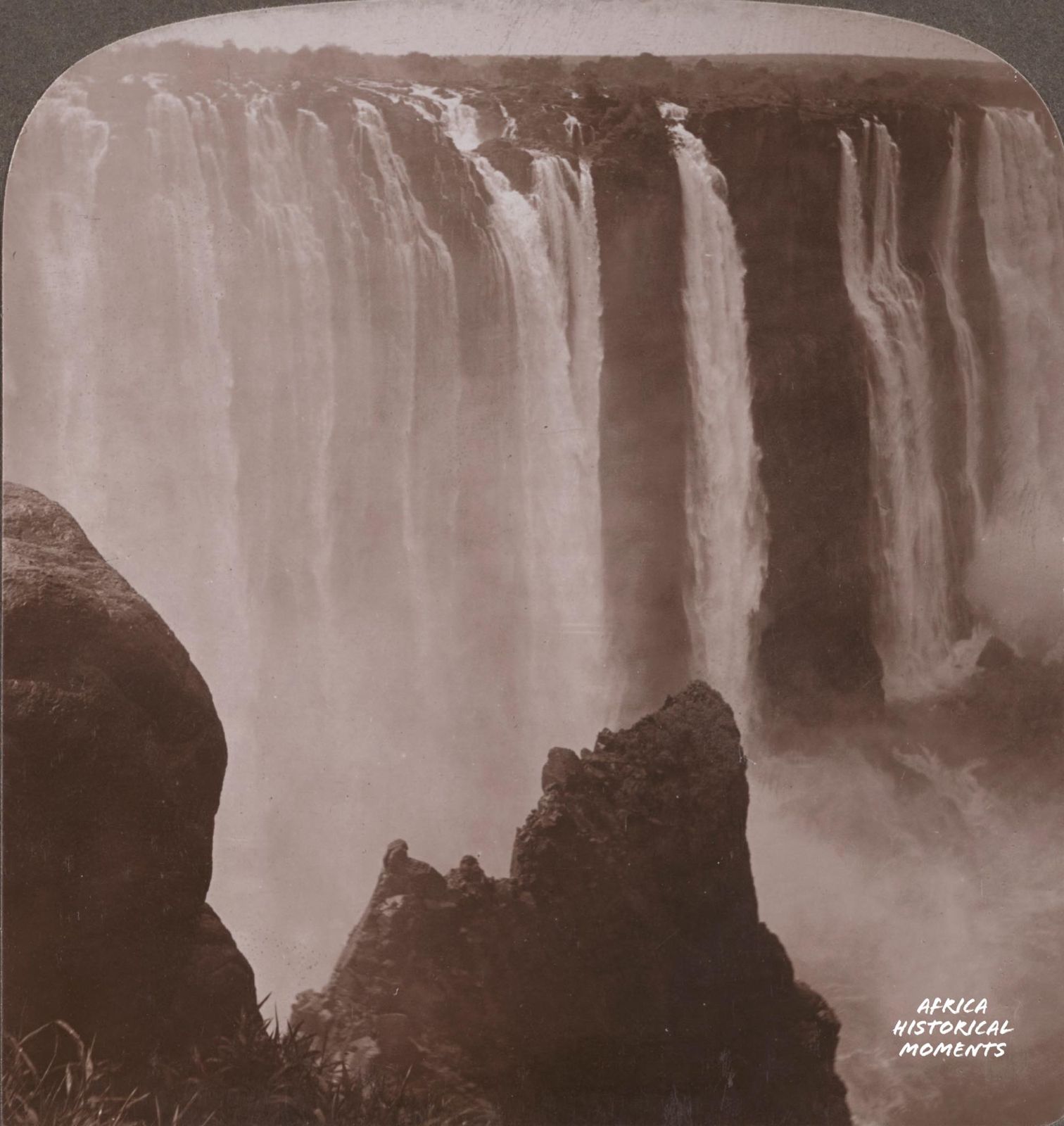
I grew up in a village outside Livingstone. We are Batonga, valley Tonga people. The books say we have been here 900 years. Our village had one toilet and a hut for the school. The one toilet was in the middle of the village, so everyone knew when you had to go to number #2. The school had a mud floor and no windows – so we would not be distracted. I remember it got very hot in the classroom. Sometimes we sat outside, under a huge and shady mukuyu, or sycamore fig tree. Twice a year, after good rains, we would roast mopani worms on charcoal. These are caterpillars of the emperor moth, and the women would set up the charcoal in the morning, and then they would roll the fresh worms over the coals; They were crispy and delicious! And there was no school that day. I liked school.
What kind of an Ironist are You?
The Chief could have any woman when he wanted. There was a church in the next village, The Church of the Trumpet of God, which was bigger. We sang great songs there – hymns they called them. My dad had a bicycle, and he collected wood, made charcoal, and took it to Livingstone. Once a week. He used the dirt track beside the paved road, which had been built by the UN’s WHO. That is the World Health Organization. Only the umlungu, the white people, drove on the road. And the diamond smugglers, in their black Mercedes with black tinted windows. They were heading to and from Katanga, the copper belt. We kept away from them. They had guns.
One day, a bibi from the YWCA came all the way from Lusaka. She was a fine lady, a great lady. She was like a grandmother to all of us children. She washed her hands and made sure we children washed our hands, too. She had a helper with a nice clean cloth to dry our hands. She said I should go to a school in Lusaka. I was sad to leave my brothers and my sisters. That was the last I ever saw them; as I left, my baby brother was peeing in the doorway of our hut.
Later, I won a scholarship to Belgium. It was great, although the food was terrible. And everything there was plastic. The people, the houses, the cars, the food. I learned how to make metal. And how to run a foundry. Bronze and brass. This was to help my country, as we have a lot of copper. After my schooling, I came back to my homeland. I was excited to speak Kiswahili again. I was going to change the world. I believed in the Zambian Dream; it would happen with hard work.
I was going to make coffin handles in brass. Making coffins was the biggest business in Lusaka. Many people were dying of AIDS, which was like Covid, but a thousand times worse. We were all making coffins in the New City Market on Lumumba Road, seven days a week. But although I knew what to do, no one would lend me money. Obviously, I did not know the right people. The right people made money importing more expensive brass handles. They sent gangs to knock my crucible over every week. They wanted all the money for themselves.
Then people stopped dying. At least, most did.
When I returned to my village my family was gone. There were no trees nearby to make charcoal anymore, and the family could no longer find any protected animals in the Mosi-oa-Tunya National Park to hunt. Everyone had eaten all the animals. Even the birds. It was quiet now. When I was a child, I would listen to the dawn chorus of the tinkerbird, the turaco, the boubou, the cisticola and the shrike. It was lovely. But the bush was quiet now. It was unearthly. My family had followed the birds. I don’t know where they went.
I went north to Kafue, then Kitwe and Ndola. Up there they mined copper, cobalt and emeralds. I changed my dream. I worked hard. I paid people to help me. But it was not my tribe up there. They were Bemba. My kwacha didn’t go far. It seemed every six months they added three zeroes to bank notes, and I needed a bigger wheelbarrow to carry it.

I made friends with an old white man up there. He had stayed when his countrymen left after the Bwana Mkubwa mine shut. I visited him under the miombo trees where he had built himself a bungalow with a full-length verandah. He sat there all day, every day. When the trees bloomed it was truly lovely. There is nothing prettier than a miombo tree – some people call them flame trees. The white man took some wives and must have had twenty children. Not a bad life. In fact, many people would say he achieved the Zambian dream.
But for me it was not good. Gunfire at night, bad police during the day. You never knew if the gunfire was just celebratory or rebels across the border. When rebels came from the Congo you hid, and when you came out you found bodies; and they always smelt bad because of the heat. At least when you saw the police you just knew they just wanted some cash. The electricity was only on for a few hours every day. I came back to Lusaka. I used the money I saved to buy a driver’s licence and to rent a taxi. I stay away from girls and alcohol.
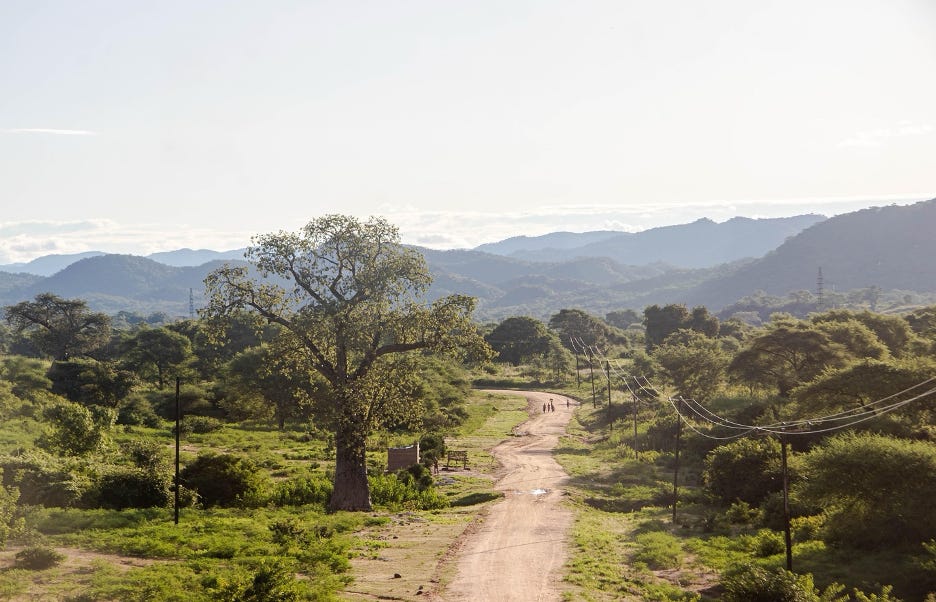
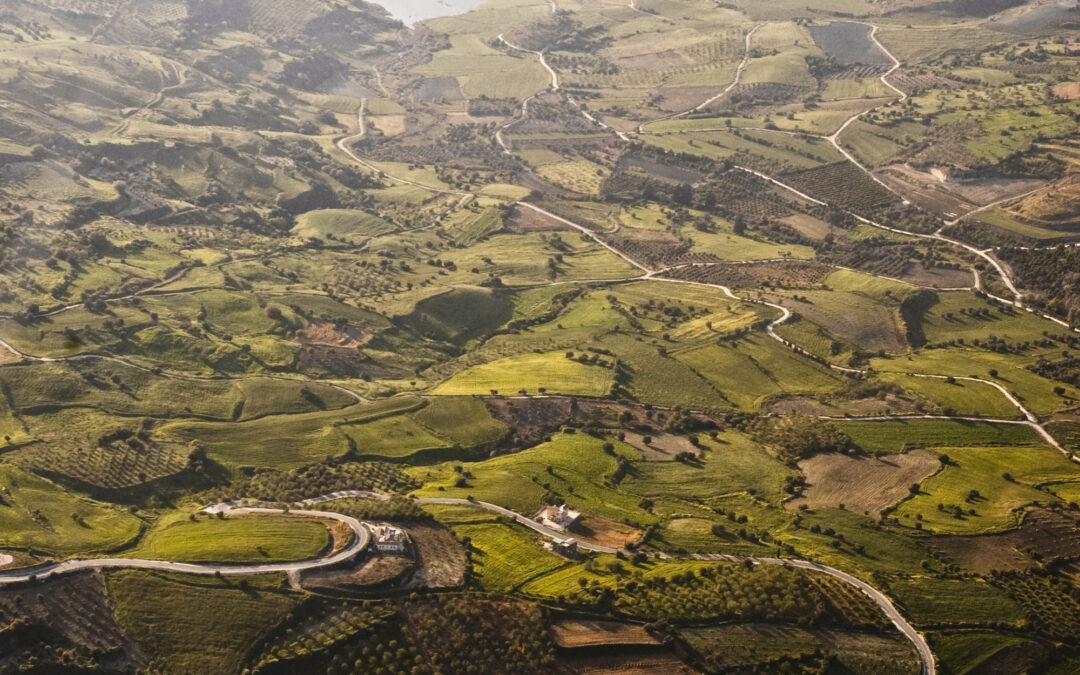
Zambian woodland road, by Tom Chiponge, Pixaby
Here, I found a sweeter honey – the Zambian kind of the woodland forest, so much more aromatic with a longer lasting taste. It is in the books of the library of University of Zambia. The white interlopers brought this gateway in time and place. Janus-like, the library’s shelves are the hives’ hexagonal comb – books that take me out of, and back, to Zambia. By luck and hard work, I am the chief taxi driver for Zambia’s only psychiatrist, Dr. Moyo Mulenga. He works at the university, too. He is a learned man. He trusts me to take his daughter from his compound to her school.
I no longer have any dreams. I have no wife. I have no children. I have no expectations. But, it might surprise you – I don’t want to leave my homeland. I used to watch Beverly Hills, 90210, and I lived in Brussels, Belgium. It is not good in Belgium. And I doubt it is good in U.S. of A. I know what family is, and I have lost mine. Nine brothers and sisters. Gone. If I had gone to the USA or Belgium I would have lost them, too. You must keep your family. And although I do not live in a village now, and the birds are gone, life is not so bad in the big city. I know the faces, I know the language, and, most importantly, Nyami Nyami, the Zambesi river god, is here. Yes, the ebb and flow of cars on the streets is like the Zambesi. My god is here.

I know the seismologists say it is the weight of Lake Kariba that causes earthquakes in the valley of my people, but I know it is the god that makes the ground shake. He is unhappy about Lake Kariba, and how the old ways are gone. But he provides sustenance to me. And to my family, where ever they are.
We all search for meaning, whether it is in the bush or in the big city. But the devil wanders there, too. For me, I sought gold, found only the devil, and lost my family.
And it would have been easier if I had been white.