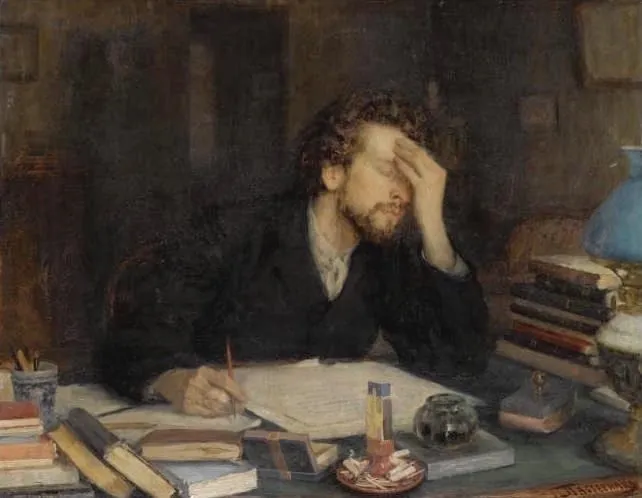
In The Remains of the Day, Kazuo Ishiguro holds up a mirror to our own compromises— how much of life we trade away in the name of duty.
“The evening’s the best part of the day. You’ve done your day’s work. Now you can put your feet up and enjoy it.”
I wish. To be honest, nearly everyone I know wishes that. A day well spent, an evening looking forward to rest and enjoyment. However, I doubt most people feel like they knocked their day’s goals out of the park. In fact, not everyone even gets to set their own goals, they’re too busy chasing the goals of others. It took me quite a while to understand why I felt a squirming unease as though a day had slipped through my fingers, even after hours of slogging. And then I discovered that there’s a certain privilege in being able to work toward your own vision. I know this probably wasn’t what British writer Kazuo Ishiguro intended to communicate through his breakthrough work of fiction which got him a Booker. But well, that’s the message I chose to take from his book.

Because the trouble, as Mr. Stevens, the protagonist and the butler learns, is when you can’t enjoy the end of the day because you’ve spent your whole life arranging someone else’s. Kazuo Ishiguro in his third novel The Remains of the Day takes the POV of a devoted loyal hardworking butler who drives through the English countryside in the 1950s, thinking about his career and the grand house he served in. In the twilight of his life, Mr. Stevens, as he is called by his employer Lord Darlington, ought to feel more satisfied with what he has done and achieved and the service he has rendered. Instead, what creeps in is that same squirming unease lurking at the back of our minds, the sense that something vital has been missed. As he remembers, fragments sharpen into patterns: missed chances, unexamined moral compromises, and a gnawing suspicion that turns into regret that he may have really screwed up his life. And it was very very late. He really chose to wait tables when his father lay on his death bed? When Miss Kenton, the housekeeper offers warmth and affection, he evades it with his polite professionalism? All in the name of duty. Standing ovation warranted.

Source: Goodreads
“What is the point of worrying oneself too much about what one could or could not have done to control the course one’s life took? Surely it is enough that the likes of you and I at least try to make our small contribution count for something true and worthy. And if some of us are prepared to sacrifice much in life in order to pursue such aspirations, surely that in itself, whatever the outcome, is cause for pride and contentment.”
This is what Mr. Stevens tells himself and a less dignified version of this is what we tell ourselves too, right? That we did our due diligence, we tried our best. What more could we do? Stevens prides himself on dignity, which, in his world, means self-effacement in the name of service. He is never referred to by his first name of William. He never gets the kind of respect that he thinks he works for. But he measures success not by happiness or connection but by how seamlessly he disappears into his role. So noble, so blind. So blind that he manages not to see what’s happening around him — politically, emotionally, personally. When his naive and gullible boss lets the Nazis use him as their pawn during Hitler’s regime, he still thinks Darlington is doing the right thing. Ishiguro builds the story to show how Stevens gradually recognizes that Lord Darlington is a man with dangerous political sympathies and that has cost him the chance for a fuller, more honest life.
It is too late when Stevens gradually collects the evidence that is in front of him into patterns that actually mean something. He has those sparks of recognition that are connected with the age-old stories of invention and discovery and which we call breakthroughs in current parlance. But by the time he lets himself see what was possible, decades have gone by, Lord Darlington has entangled himself with Nazi sympathizers, and Miss Kenton, of course, has moved on.

Source: Rotten Tomatoes
The Remains of the Day is a novel about memory, regret, and the hazards of defining yourself entirely by your work, especially when that work involves keeping the machinery of someone else’s world running. And worse when that someone turns out to be morally corrupt.
It leaves you wondering how many things in plain sight do we, too, prefer to unsee?
What kind of an Ironist are you?