Trying to uncover how Maugham wove himself into his fiction, be it through The Razor’s Edge, Of Human Bondage or The Moon and Sixpence
“The writer is more concerned to know than to judge.”
— W. Somerset Maugham
The primary reason I admire Somerset Maugham is because I can spot him in his writing. I don’t know what literary device it is but it is pretty masterful. Writing himself into a book without giving away too much is an elegant skill which writers like me would trade quite a lot for.
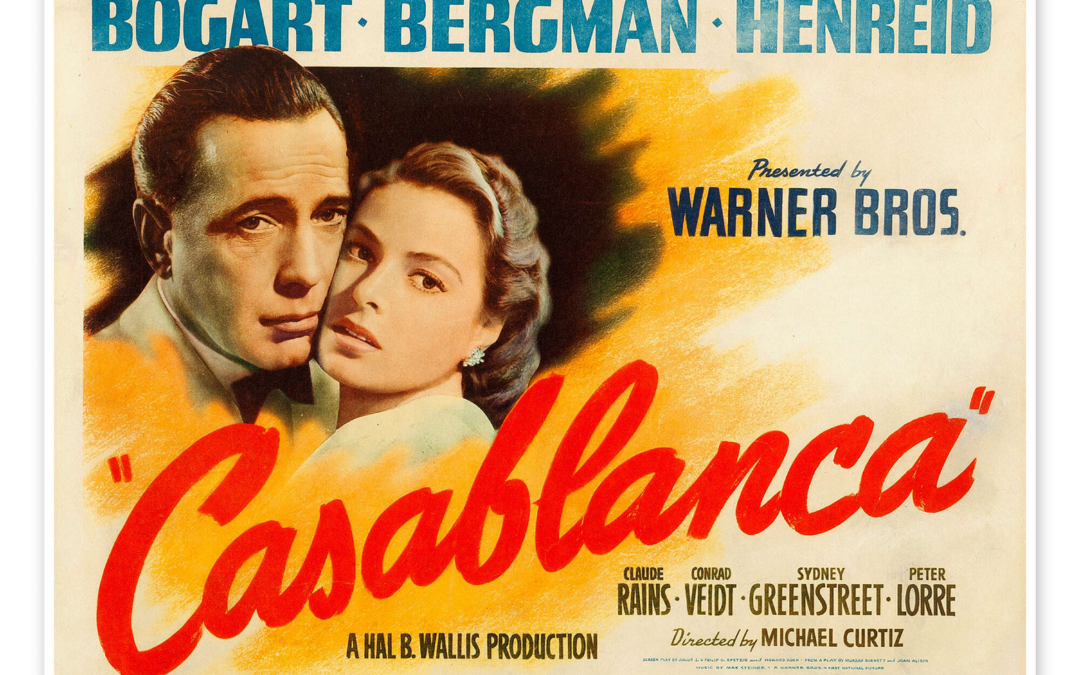
Maugham did this most clearly in The Razor’s Edge, where he appears as a character: aloof, observant, almost invisible. But even when he isn’t literally present, we can spot his signature. An author peering at the world with a kind of amused restraint.
Born in 1874 in Paris, orphaned by the age of ten, raised by an emotionally distant uncle in England, Maugham learned early how to survive by observing. He trained as a doctor, was closeted for most of his life, and surrounded by people who expected him to be many things. No wonder that his fiction is full of watchers, exiles, travelers, and cynics. His writing is free of judgment, carefully detached, cleverly restrained and instinctually ambivalent. Using that duality, he probably tried to keep himself safe.
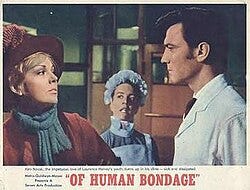
One of the highest-paid writers of his time, Maugham was widely read and widely respected and yet, perpetually exiled from England. In an era when openness came at great social cost, he had to hide his homosexuality. His writing, therefore, often features characters with private truths they must hide, be it Philip Carey from Of Human Bondage, Charles Strickland from The Moon and Sixpence, or Larry Darrell from The Razor’s Edge.
Source: Wiki
He wrote—
“I have an idea that some men are born out of their due place. Accident has cast them amid strangers in their birthplace, and the leafy lanes they have known from childhood or the streets they played in seem rather to belong to someone else than to themselves.”
He writes about people who want more than what the world offers, even if they don’t always know what that “more” is. Effectively capturing the tension between what the society expects and what the soul craves, he wins the title of the master of moral ambiguity.

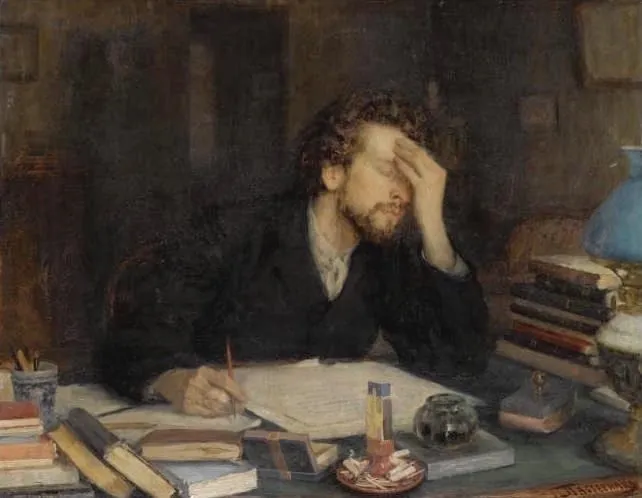
Source: Freepik
Maybe a part of him wanted to be Larry in Razor’s Edge, someone who could be his own liberated self, unburdened by reputation, performance, or structure. However, Maugham, for all his wealth and brilliance, could only watch from the margins, living cautiously, cleverly, always in tension with the life he might have chosen.
Perhaps that’s why the novel bears its title so well.
The Razor’s Edge.
Maugham did always live on the edge.