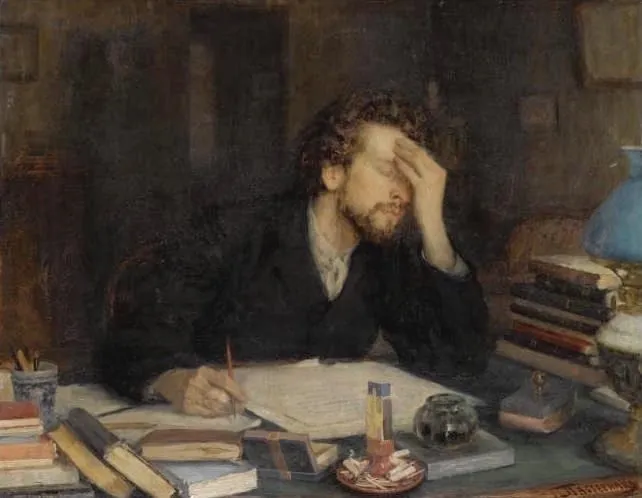
Nigel writes an encomium for the Cost of Glory…
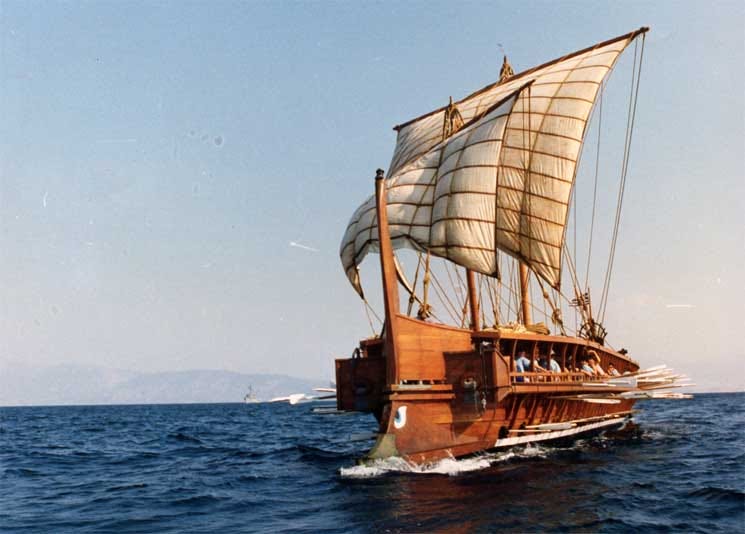
Rowing with Imagination: On Xenophon
Twenty minutes on the rowing machine and the display will dutifully say I have rowed 3.7 kilometres. But that is not really where I am. In my mind, memories merge.
I am rowing from Miletus on the Maeander to Lesbos. The seat beneath me is cedar, made by Lydians. I miss the sweet scent of sandalwood from Cappadocian craft, but this one will do. The trireme is fast, built by Ameinocles of Corinth, and we surge forward as though our sails were black before Troy, bound for Ilium’s treasures, hurrying to join Agesilaus’ men with Lysander. The Notus wind rises from Egypt, heavy with clouds; the dolphins leap in graceful curves, swimming alongside, laughing at our futile attempt to outrun the approaching storm; and the pines, carobs, and olives blur as we sweep past the Carian shore….
Why indulge such daydreams on a gym floor? Because rowing is not just exercise; it is an act of memory. It is a way of reaching backward into an ancient world where courage, imagination, and endurance were bound together. To row on a machine is repetition; to row in one’s mind with Xenophon’s mercenaries is remembrance.
When the Ten Thousand crested the mountain and cried out “Thalatta! Thalatta!”—The sea! The sea! —they weren’t merely cheering survival. They were affirming that in the bleakest conditions, leadership and memory can give direction when none seems possible. I first read Xenophon’s Anabasis as a teenager. Then I picked up his Oeconomicus. Expecting tales of battle, I found instead a meditation on order, duty, and the management of life’s essentials. The lesson has remained: history rewards not only the victorious general, but the one who cultivates his household, his city, even his soul.

We live in an age that pretends leadership is a toolkit—networking skills, communication hacks, productivity tricks. The ancients knew better. Leadership was character tested in practice, endurance made meaningful by memory. The man who could inspire mercenaries on the march or a wife in the vineyard was not relying on technique but on the integrity of a life.
That is why Alex Petkas’ Cost of Glory resonates. Like an invitation to row with the ancients, to feel the storms of the Notus, to hear the cry of “The sea!” and know why it mattered. The podcast does what my rowing daydreams attempt: it makes the past immediate, embodied, instructive. It teaches that to “Be Ancient” is not to escape modernity, but to recover memory as a guide.
On the machine, I row kilometres. In imagination, I row centuries. And in doing so, I remember that cultivation – of mind, of soul, of history – is itself a kind of leadership.
Please check out: https://www.costofglory.com/about. You’ll be glad you did.
“…Yet did I never breathe its pure serene
Till I heard Petkas speak out loud and bold…”[1]
[1] With apologies to John Keats, On First Looking into Chapman’s Homer.
–
Nigel Scotchmer