A warm, observant paean to the spirit of Port Elgin, capturing the rhythms of slow living and the Canadian summer – with touches of nostalgia and humour.
This summer we had a family reunion at Port Elgin. Our daughter rented a cottage near the main beach, in an older part of Port Elgin where cottages were built in the noble tradition of ignoring building codes. Our forebears were nearly pioneers, after all, and expressed their individualism with their skills. My quarters had, shall we say, a very modest ceiling height. Although the results might, on occasion, be helter-skelter, our accommodation was adorable and snug. Affluence has removed outhouses and kerosene-powered fridges… goodness, air conditioning is ubiquitous, so cottage life is no longer ‘roughing it in the bush’. That makes me a bit sad.
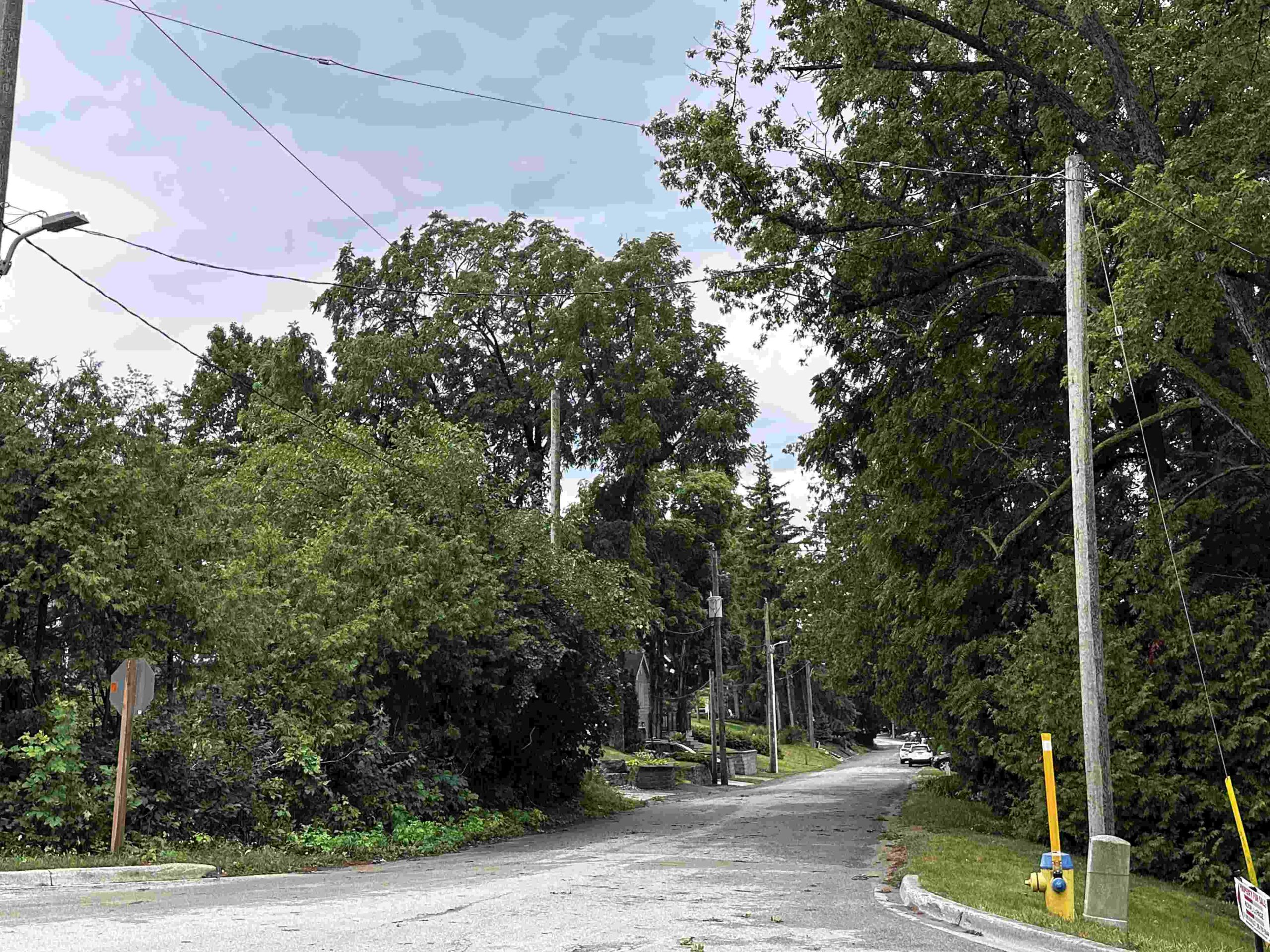
Memories were our first welcome. Trees, planted generations ago, are now in their prime. Tall straight-limbed cedars, spreading sugar maples, and massive lilacs a city block in length – all shade and hide the homes. I’m sure they help to protect against the winter winds off Lake Huron, too. I like to think of the lilacs having been planted two hundred years ago by immigrants from the Old Country, seeking to remember what they had left behind. Those generations thought of the future, rooting memory into the landscape.
For many Canadians, summer isn’t summer without a lakeside cottage—a pilgrimage woven into the national psyche. Port Elgin is renowned for the gentle curving sweep of its beach, with echoing, curving waves, rolling constantly in. Ontario has great beaches. It is a pity the summers are so short. I think it has the best sand, a quartzite sand ideal for sandcastles and toe Pilates on the warm sand. Just dig your toes in! Ooo!

The best part of the Real Canada you see here is the acceptance of others. This isn’t the legislated hate-laws of the fanatics of any persuasion, but rather that age-old respect for differences and “live and let live” mentality. Everyone has their likes and dislikes, but, as a group, we all get along. Yes, wildlife is rampant; nineteen – yes, I counted them, and it was the same number everyday – Canada geese descended upon the beach – whenever it was a little quieter – leaving their many unwanted gifts behind – and racoons and skunks were busy in the garbage. Seagulls called to each other, plotting amongst themselves where one was to divebomb and grab a fry or two, while another sneaked up behind the deck chairs for that sandwich… We saw a hawk wheel in the air, but a mouse in the long marram grass on the dunes seemed unworried.

The young were doing what the young do – boys strutting about, girls looking pretty on their towels and in their attire. The no so young had their pick-up trucks, and the families, well, they were the main attraction. Mums, dads and the ancient grandparents seemed to spend most of the time in their chairs. The older ladies tended to be a little thicker than the granddads. Maybe the plumper granddads’ time had already passed. The cycle of life was thus laid out upon the unchanging sand beside the incessant spilling waves.
Children were everywhere, running, jumping, squealing with delight. Little ones were jumping over the tiny waves – perhaps the best sight of all was watching the smaller siblings trying to copy the older siblings. They were trying to be brave – but, oh, it is so hard when you have never seen waves before!
To hear these voices, kissed by the wind, brought to you by the breeze – which at the same time was dancing on your cheek – was lovely.
Yes, it was a stereotypical scene of a beach of sandcastles, little shovels, floating toys and bobbing heads in the sparkling water, under an azure sky. Yes, there is a nuclear reactor thirty miles away, but you wouldn’t know it unless you were to count the glowing children at night. Besides, you could always pretend you were living millennia ago, hunting elephants on the Serengeti, keeping one eye out of predators, while keeping the other on the safety of the long line of trees stretching off into the distance. A line of trees is comforting, whether it is for protection and cover – or for its aesthetic value.
After glorious sunsets, we retired to the fire pits where stories were re-told yet again and companionship shared and enjoyed. It is all a hearkening for a simpler life, where money and jobs are less important, front doors are unlocked, where all types of family members – the ones we love, the ones we, um, dislike – exist together. It is less judgmental here, a brief respite.
As we left, we saw a family marching off to the beach – small ones as the vanguard, armed with long beach noodles stabbing the sky, then the van with mum and dad, wagon, with its load of victuals, umbrella, chairs and toys, and then, in the rearguard, stooping granddad and grandmum, unsteadily following.
As their shadows lengthen, they pass the torch to the next generation.