Aashisha revisits George Saunders’ Lincoln in the Bardo and talks about the irony of indecision – how living between what was and what must be might be the truest form of being alive.
Bardo is a Tibetan word for the liminal space between death and life. It is a curious concept because it deals with one of those typical human things that define our existence- transition, indecision, ambiguity. Maybe it’s just me and my tendency to dither and decide or wonder endlessly once a decision has been made but I feel a lot of us remain uncertain and divided in our minds be it before or after a decision. It probably comes from our tendency to hark back to the moments that we felt defined the course of our lives.
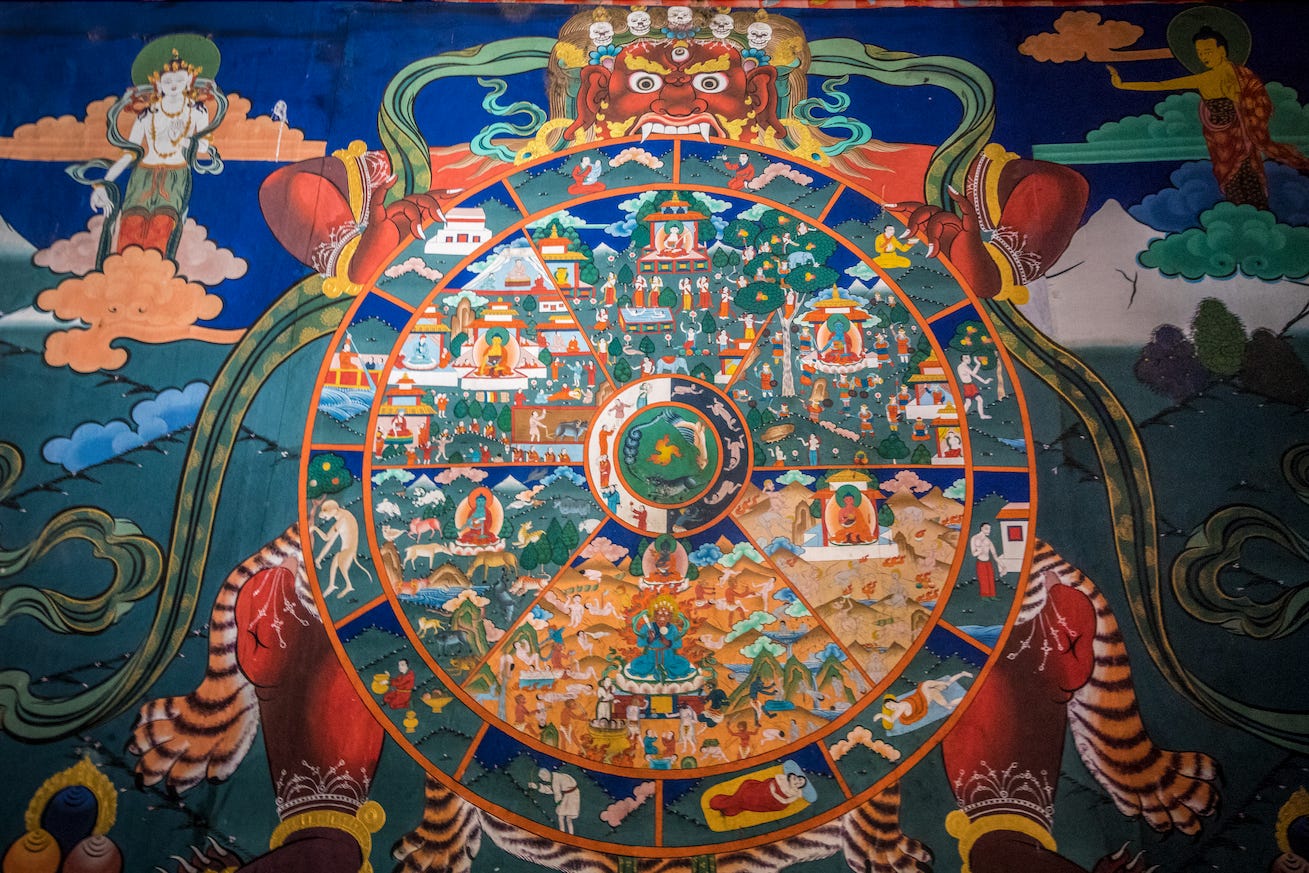
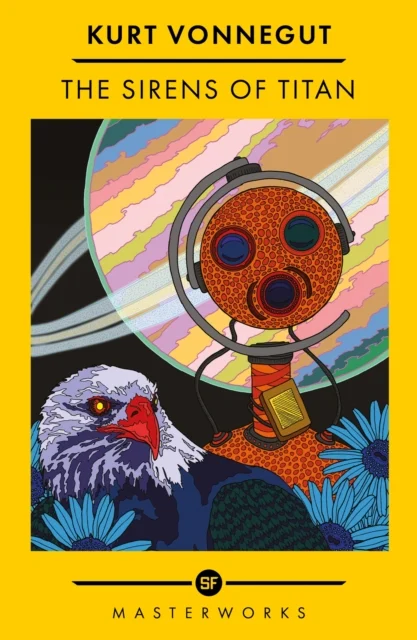
Pic Credits: Shambhala Pub
I was reading George Saunders’ Lincoln in the Bardo the other day where the 16th President of the United States is caught in a space between death and rebirth while sitting outside his son’s crypt. In March 2017, Saunders talked about the conception of his Booker-winning novel thus:
“Many years ago, during a visit to Washington DC, my wife’s cousin pointed out to us a crypt on a hill and mentioned that, in 1862, while Abraham Lincoln was president, his beloved son, Willie, died, and was temporarily interred in that crypt, and that the grief-stricken Lincoln had, according to the newspapers of the day, entered the crypt “on several occasions” to hold the boy’s body.”
The book is full of ghosts who are caught in their unfinished stories- businessmen who still believe they have meetings to attend, lovers who are in denial about their ended love, sinners who await redemption which might never come, and then there is Willie, the dead child waiting for his father who comes to hold him even after death. The book starts with a bit of a mess where the ghosts talk endlessly, contradict one another, justify, regret, and repeat. Each of them have one golden self-defining moment that they have treasured in their minds and refuse to believe that it has passed. It is not just Willie and the other ghosts who refuse to accept death, caught in a metaphysical bardo but Lincoln himself who is caught in a moral bardo of sorts because every decision he takes kills someone’s son yet he cannot afford to stop the decision. It is a cruel irony how the President while balancing his grief for his lost child also leads the war. What is this if not the truest mark of humanity?
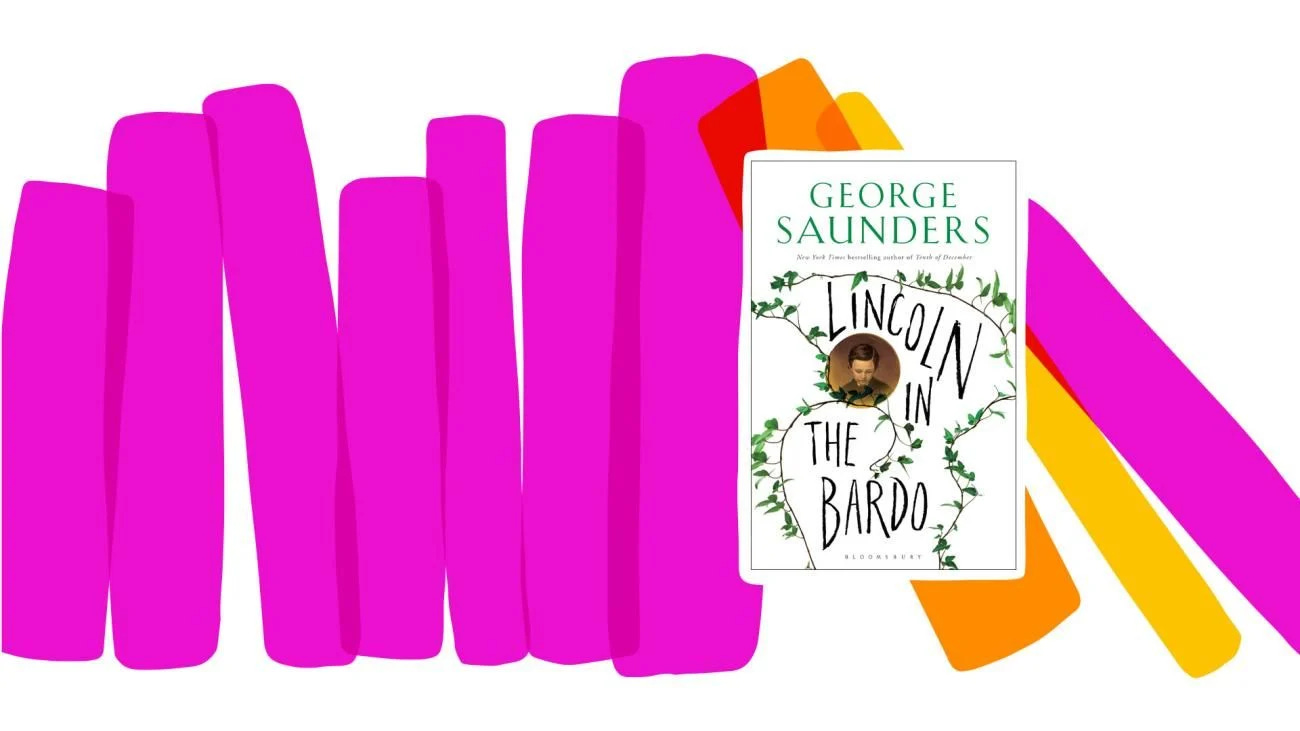
Pic Credit: The Booker Prizes
He cannot let go of his dead son nor can he remain there forever. In visiting this cemetery, he becomes the most human version of himself which makes me wonder that perhaps indecision is more about being aware that every choice closes a door we may never open again. To live is to inhabit that uneasy middle ground, suspended between what was and what must be. The bardo, then, isn’t only a place for the dead; it’s where we all live, every time we ask ourselves if we could have done otherwise. The bravery then is in taking the leap as the author did. As Saunders wrote about his process in The Guardian–
“I carried that image around for the next 20-odd years, too scared to try something that seemed so profound, and then finally, in 2012, noticing that I wasn’t getting any younger, not wanting to be the guy whose own gravestone would read “Afraid to Embark on Scary Artistic Project He Desperately Longed to Attempt”, decided to take a run at it, in exploratory fashion, no commitments. My novel, Lincoln in the Bardo, is the result of that attempt…”
Even though Lincoln in the Bardo is about grief and moving on, what I see here is a series of ironies and the chance to be brave despite it all. Because even in the afterlife, we are waiting for permission to forgive ourselves. We live half in the world of ghosts, half in the world of beginnings. The trick, I think, is to keep choosing to begin even when we know how it will all end.