Jonathan Bennett makes an unplanned trip beyond the Arctic Circle to Iqaluit, a city on the margins—equal parts capital, construction site, and reluctant frontier outpost.

There are few places left in the world that still feel like frontiers—real ones, not the type you find on motivational posters. But Iqaluit, capital of the Canadian Arctic territory of Nunavut and home to just over 7,400 hardy souls, makes a strong case. I found myself stranded there for a few days this past June, which is apparently something that just happens if you work in the remote Arctic. Flights are delayed, schedules dissolve, and the land quietly informs you that it’s in charge. So, armed with a fistful of airline vouchers (which, I would quickly discover, no business would actually accept), I ventured out to explore Canada’s city that time and Ottawa forgot.

Iqaluit wears its liminal status like a badge of rugged honour. If the Wild West had permafrost and municipal dysfunction, it might look a lot like Iqaluit. Replace the cowboys with confused civil servants, and you get the picture. It’s a place of contradictions: part boomtown, part ghost town, with all the elegance of a shipping container dropped onto the tundra—and often, it is a shipping container dropped onto the tundra.
My previous sojourn here was in the dead of winter, a magical time when your retinas get frostbite while admiring the impressive sight of ice floes broken into massive shards against the shore. Returning in early June, the city offered a totally-different sensory banquet. Snowmelt gives way to a wind-whipped landscape littered with the detritus of construction: rusted metal shards, foam insulation, plastic wrappers whose ancestry is a mystery. Diesel fumes mingle with sea air. Everything seems to be covered in a layer of brown dust. And then, just when you think it’s all a gritty monochrome, you turn a corner and see a cathedral that looks like an igloo collided with a LEGO set. It’s simultaneously a bold architectural gesture and a postmodern cry of despair.

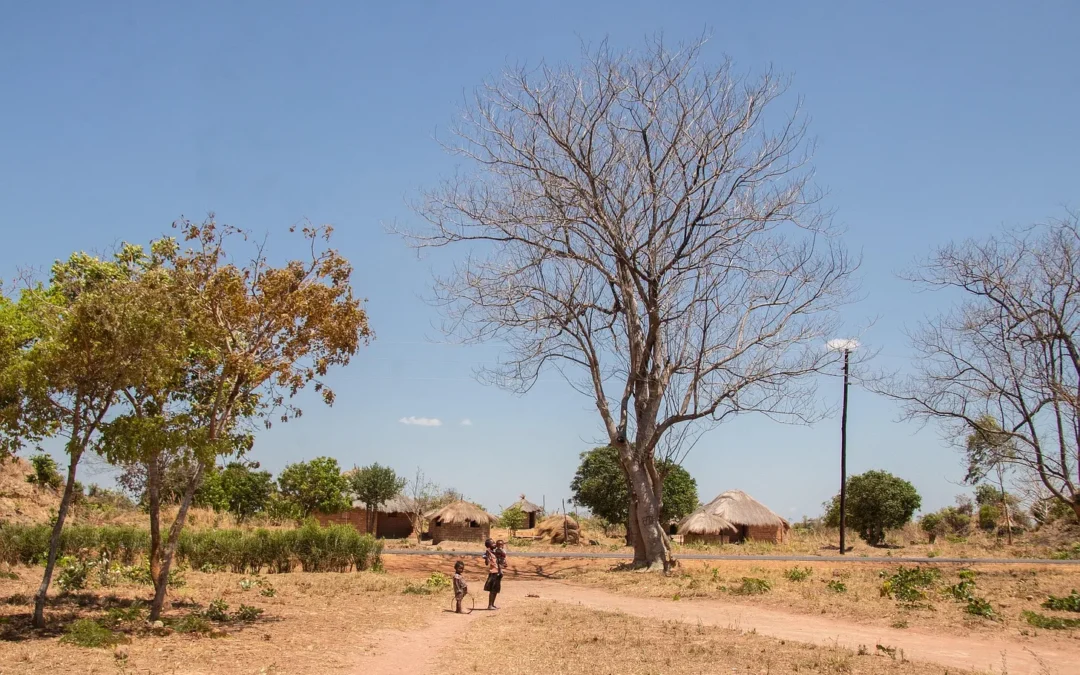
Founded as a Cold War-era military outpost and originally named after a guy who failed to find the Northwest Passage (always inspiring), Iqaluit was promoted to territorial capital in 1999—presumably after someone in Ottawa lost a game of darts. The city has undergone a surge of rapid construction in the last two decades, much of it hasty, all of it necessary. The result is an architectural jumble that could be called post-apocalyptic chic if it weren’t so earnest. You’ll see old clapboard houses that look like they’ve been personally sandblasted by the Arctic wind, recent prefab boxes that could easily be IKEA prototypes, and, sprinkled throughout, colour-coded optimism: homes in bright reds, blues, and yellows that try their best to cheer up the grey-brown landscape.
The “downtown” core- if one was to be very generous with the term- is noteworthy for having the only paved roads in evidence. Venture a few blocks beyond, and the pavement surrenders first to gravel, then to dirt. Sidewalks are non-existent, and streetlights appear to be rationed like wartime chocolate. It feels a bit like a SimCity player started a game on hard mode, rage quit, and never came back. Infrastructure lags behind both demand and aspiration. The city’s population is growing, and projections suggest it may eventually double. No one quite knows how the existing systems will handle that. They likely won’t.
Tellingly, the largest building in town is the Frobisher Inn—a hulking hotel complex that doubles as a conference centre, watering hole, and civic living room, depending on the hour. On any given day, you’ll find a motley assortment of guests: Inuit artisans hawking soapstone carvings, corporate execs, Arctic thrill-seekers, and involuntary tourists like me, knocking back their fourth $20 pint attempting to kill time. High-speed Internet beams down reliably via Starlink—as if Elon Musk personally felt bad for the place.
Dining in Iqaluit is less about gastronomy and more about adjusting your expectations. The selection is limited, the prices are punishing, and the supply chain gods are fickle. A friend here described any pride in the local culinary scene as a kind of Stockholm syndrome. Still, amid this austerity, I found myself tucking into a shawarma so good I briefly considered relocating, until I saw the bill and remembered that I value solvency. In true frontier fashion, food here is more a question of what made it on the last cargo flight than of local flavour. Every avocado is a minor miracle. Every menu is a gamble. But as with much else in Iqaluit, the improbable sometimes arrives—and when it does, it’s best to eat it without asking too many questions.
The natural beauty of this unimaginably vast, untamed region goes without saying.

The hills around Iqaluit are rugged and worn, their contours carved by millennia of wind and ice. In summer, they wear a patchy coat of dark browns and weathered greys. Scrubby grasses and hardy lichen cling to the rock with quiet determination—the only vegetation this far above the tree line. Beyond the harbour rise the blue and purple silhouettes of distant mountains. The scene could be breathtaking, framed by such wild grandeur—if not for the garden of rusted snowmobiles, twisted rebar, discarded nets, and windblown plastic that stretches out along the shoreline. The tide brings in more than driftwood; it carries the visual residue of human indifference. Beauty and debris sit side by side, locked in an uneasy, distinctly northern harmony.
Shipping containers are so ubiquitous here that they could qualify as the local wildlife, seemingly roaming freely and multiplying across the land. Some are used as storage units, others have been converted into makeshift housing or workshops. A few seem to exist purely as monuments to supply chain delays and municipal improvisation. Beyond this industrial clutter, the eye occasionally catches something quieter in the distant landscape: the small, pale white forms of traditional hunters’ tents: reminders of an older way of life that lingers on here in the north, judging the chaotic present from a safe distance.
Feeling adventurous, I hiked the hour-long trail that hugs the rocky shoreline to Apex—Iqaluit’s only suburb. It’s a short enough distance away, though judging by the exasperated sigh of the taxi driver on the return journey, you’d think I’d asked for a lift back from the moon. Apex has precisely three landmarks: an abandoned HBC trading post, a derelict red boat (pinned on Google Maps because…?), and the haunting Apex Cemetery. There, rising from the rocky, sun-bleached earth, neat rows of white wooden crosses gleam and bright plastic flowers, defiantly cheerful, tremble in the breeze. At the cemetery’s edge, two massive rib bones of a bowhead whale form an archway framing the inlet and mountains beyond. It is, quite literally, a gate onto the great expanse of Canada’s Unknown. It feels ancient, reverent, and well-suited as a spot for an existential crisis.
Tourists come here seeking raw beauty and northern adventure—expecting untouched landscapes, migrating caribou, and some vague personal transformation in the silence of it all. But the silence has been fractured. Light and noise pollution have already driven away the caribou, and the city’s rapid, often chaotic growth—paired with a striking sense of bureaucratic indifference—has left its mark on the land. The wilderness isn’t gone, but it now exists alongside the clutter of human presence. What was once remote now feels increasingly provisional, a place suspended between the myth of the North and the reality of haphazard development.
Beneath the surface of daily life, Iqaluit is undergoing a demographic transformation. The Indigenous population has now fallen below 60%, while the fastest-growing communities are made up of recent immigrants—many from Africa and South Asia—who have arrived not just as newcomers to the Arctic, but to Canada itself. This is the gateway to the vast resources of the Canadian North. Like the frontier towns of the gold rush era, Iqaluit attracts those with few alternatives: a place shaped by necessity, where housing shortages, corporate greed, government neglect, and the hope of survival on a stable income all converge. The result is a city that feels overextended and unfinished, wrestling with a severe identity crisis. The human cost of this strain is hard to ignore—Nunavut’s suicide rate is approximately 7.3 times higher than the national average, and ranks among the highest in the world.

As a seasoned traveler, I like to think that every place I visit leaves some kind of indelible imprint. This stopover city certainly did—not by any particular charm, but through its liminal qualities. Like the frontier towns of another age, it’s less a destination than a threshold between worlds: outpost and capital, wilderness and bureaucracy, survival and ambition.
And so I raise a cup of overpriced coffee to Iqaluit, the last Canadian frontier town. May it never become too civilized.