The final one in the Ironist series – air – the silent carrier of truth, lies, and everything in between.
Today, we conclude the Ironist series on the fourth element – air. Invisible, omnipresent, and so essential. Moving through us without fanfare. We inhale it, exhale it, and assume it will always be there, unchanged, forgiving, ever present.
Unlike land, air cannot be fenced or owned, though we try. We name territories, draw borders, and speak of airspace. Air also humors us for a while, carrying our voices, our smoke, our prayers, our pollutants; letting us speak, fly, burn…and then suddenly, it burns our lungs or abandons them altogether.
What kind of an Ironist are You?
If I were a poet (wait, aren’t I?), I might call it a conspiracy of particles too light to keep their own secrets. In Italo Calvino’s Invisible Cities, Marco Polo speaks to Kublai Khan about fifty-five fictitious cities where he travels. The book is an archetype of the travelogue depicting this Venetian explorer as he learns the culture, languages, and stories about the areas he visits. Every place brings its own flavor and memories to the mix, with differences in language and culture making understanding complex. And yet a kind of kinship emerges in the silence between those words. Because of the simple fact that the air they all breathe and share is one and the same.
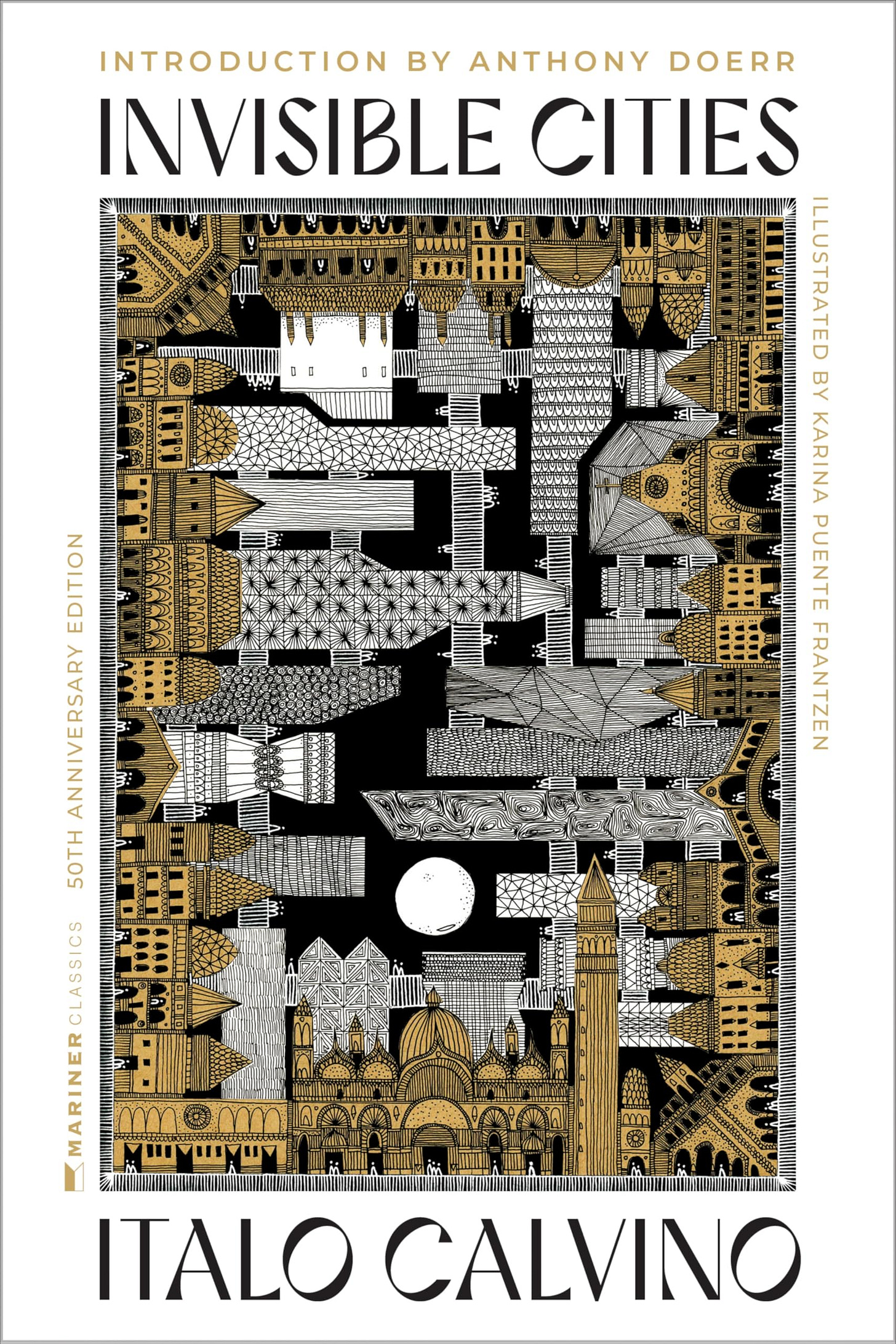
Picture credits: https://www.amazon.ca/Invisible-Cities-Anniversary-Italo-Calvino/dp/0063417626
In Albert Camus’s The Plague, the 1947 absurdist novel that is often labeled as an existentialist classic, we see the air of Oran as the medium causing a plague outbreak. The citizens deny it at first, insisting on normalcy, but end up having to accept the powerlessness of the individual characters to affect their own destinies. Camus’s own medical history, including a bout with tuberculosis, influences the novel, making us realize how the characters struggle against something they can’t see or control.
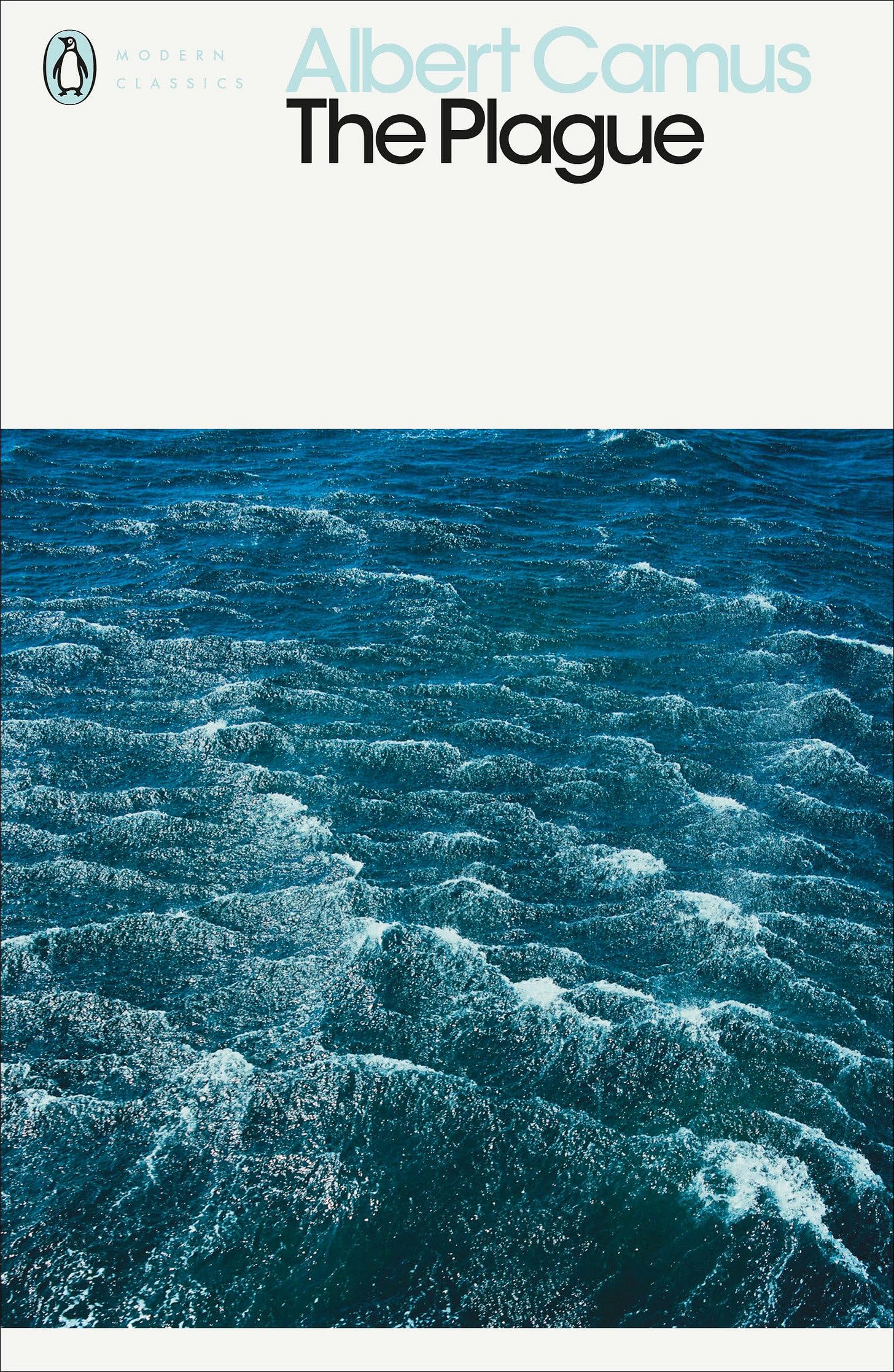
Picture credits: https://www.amazon.ca/Modern-Classics-Plague-Albert-Camus/dp/0141185139
In George Orwell’s 1984, 2+2=5 creates an uproar in the readers’ minds. We see new literary phenomena being uncovered – a thought criminal is defined and the word ‘Orwellian’ becomes an adjective. The air becomes a vehicle for ideology and language is thinned through Newspeak. Winston, the protagonist, struggles to breathe and think clearly in a world where even an unspoken thought can be detected, recorded, and punished. Under constant surveillance by telescreens and informers, dissent becomes a private crime. The irony sharpens in the Ministry of Truth, where history is endlessly rewritten, facts are erased, and truth is manufactured. (Hmm…why does all this sound so familiar somehow?)
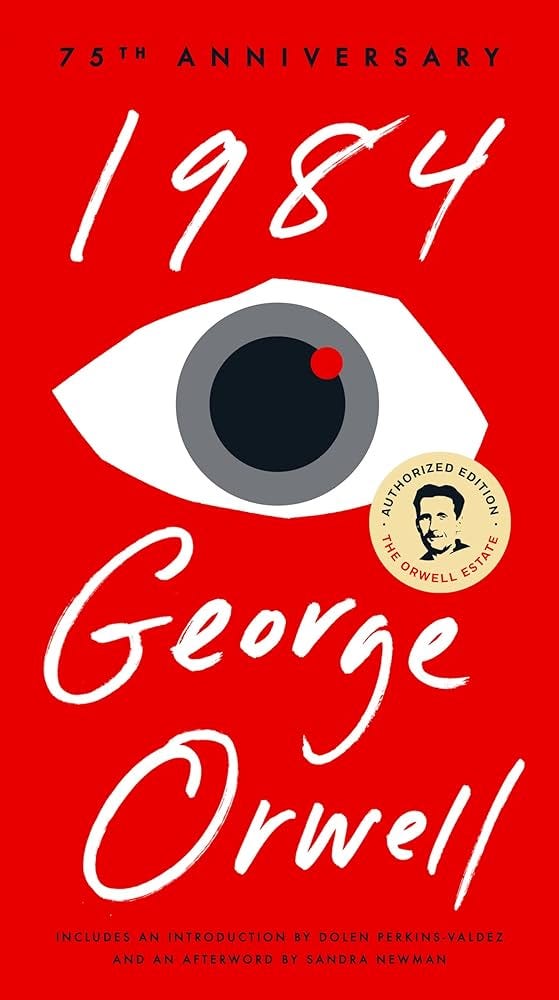
Picture Credits: https://www.amazon.ca/1984-George-Orwell/dp/045152493
Even in mythology and religion, air is never passive. Wind announces gods and spirits. The Holy Spirit arrives as breath. Storms flatten structures, buildings…snuffs out lives. Smoke signals survival or loss. Air is a messenger, carrier, and a witness. Unnoticed but always there.
If we look at The Name of The Wind by Patrick Rothfuss, the protagonist – a young orphan and talented magician – Kvothe comes to realize the kind of destruction a mere word – more importantly – a name can unleash in the world. In the process of trying to be accepted into master Elodin’s tutelage, he discovers that the brilliant and frighteningly gifted Elodin, ex-Chancellor and the youngest Arcanist ever admitted to the University, lost his mind and hence, his position, trying to master a Name he was not ready for and was sent to confinement for many years before he could recover some semblance of sanity and return as Master Namer at the University. And then, of course, naming the ‘wind’ nearly kills Kvothe himself apart from giving him the title of a kingkiller.
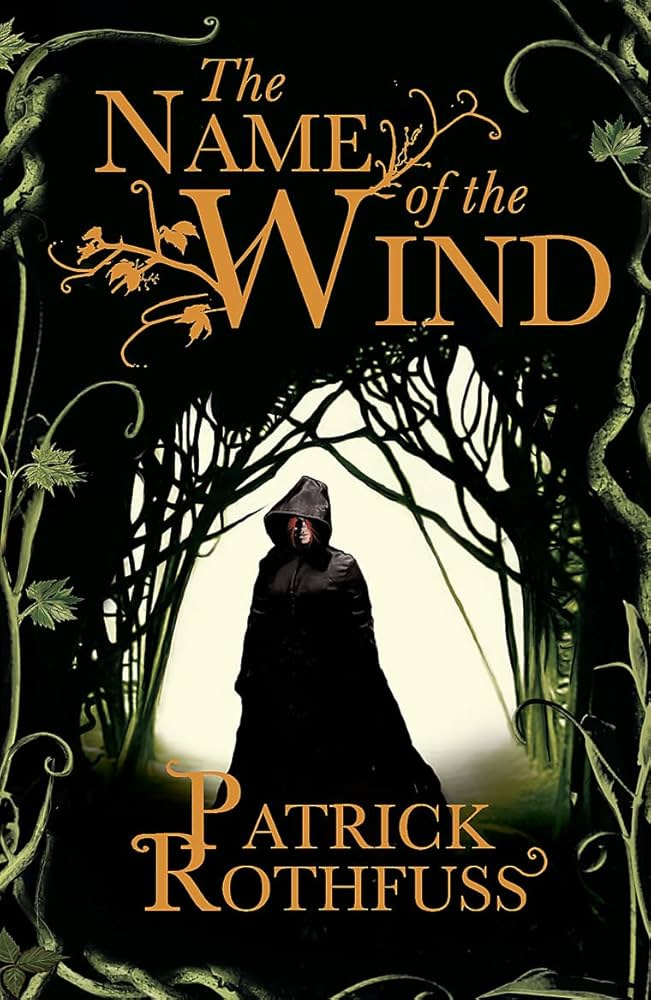
Picture Credits: https://www.amazon.ca/Name-Wind-Patrick-Rothfuss/dp/0575081406
A clogged lung, a sealed room, a rising temperature – do you see how little stands between life and collapse? The air returns us to fragility. The actual irony is how dependent we are on it and how we treat it the worst even when we need it the most.
The final message of this ironist is simple and merciless. We live because we are allowed to breathe. And that permission to live, like air, can change. Anytime. Without us being any the wiser.