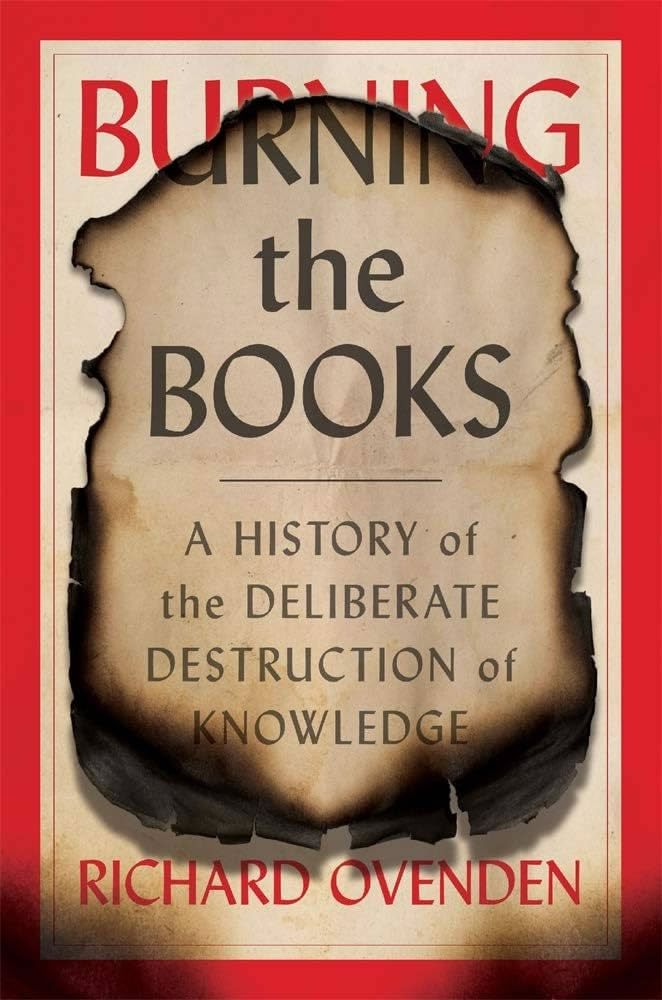
Richard Ovenden, Burning the Books: A History of Knowledge Under Attack, (John Murray, 2021)
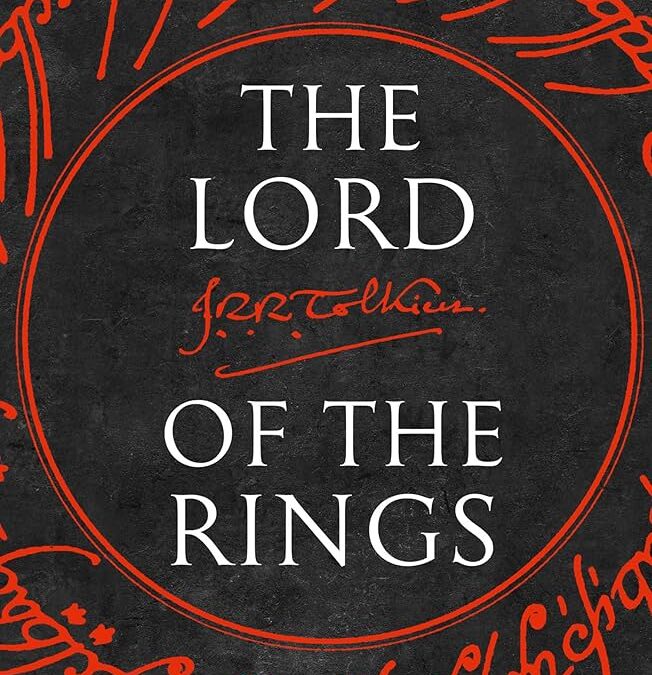
Kenneth Baker, On the Burning of Books: How Flames Fail to Destroy the Written Word, (Unicorn, 2016)
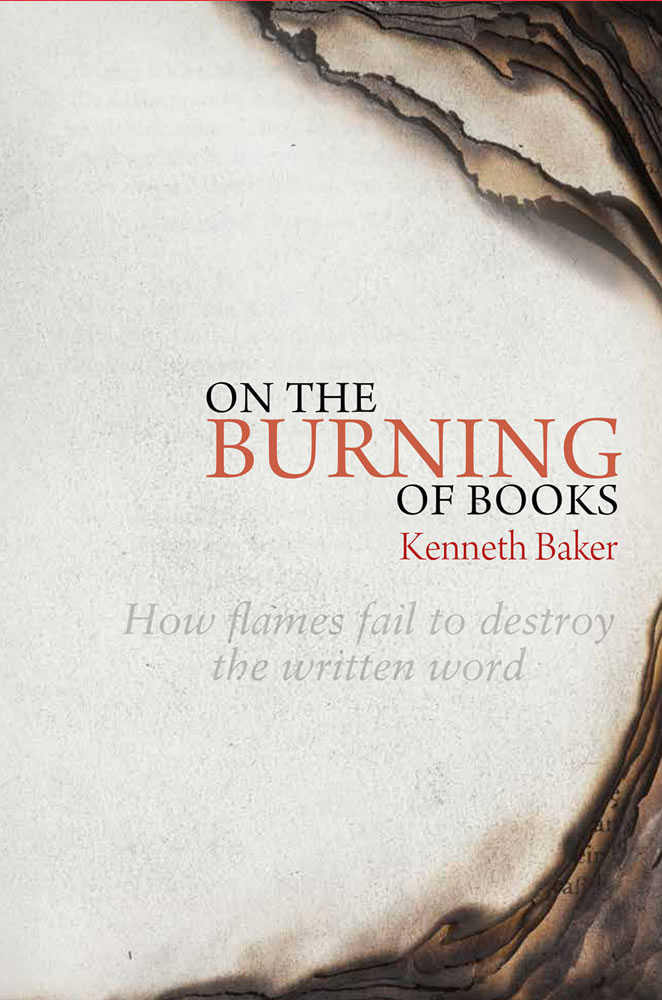
The aim of those vandals who burn books in an open forum is arguably to raise public awareness of the extent of their own failure to appreciate their contents. More fools they. Bad books should be ignored unless they advocate harm to others. The vandals may also seek to destroy all evidence that these books ever existed, yet, as the subtitle of Lord Baker’s book on the subject argues, this goal is doomed to failure. Helen Keller predicted the legacy of Nazi bonfires to jubilant Nazis in the wake of Goebbels’ fanatical concerted effort to “purify” German culture in May 1933, during which they destroyed her own works and those of such “impure” writers as Einstein, Freud, Zweig, Hemingway, among many others. She wrote, “History has taught you nothing if you think you can kill ideas. Tyrants have tried to do that before, and the ideas have risen up in their might and destroyed them. You can burn my books and the books of the best minds in Europe, but the ideas in them have seeped through a million channels, and will continue to quicken other minds.” Even those misguided folk who burned the records of the Beatles failed in their mission: today the quartet is even more popular than ever, and their critics long gone.
The title of Richard Ovenden’s book on the subject of book burning is a trifle misleading. As Oxford University’s Bodley Librarian, it is understandable that the author’s interest is confined to the wholesale destruction of libraries themselves, rather than with individual books. It begins with the aforementioned Nazi book burning, then concerns itself with Henry VIII’s rape of the library holdings of numerous abbeys and monasteries during the Reformation, yet omits entirely any mention of the Papacy’s notorious Index of Prohibited Books, created in 1557, and which, up until quite recently, presumed to monitor Catholics’ reading habits. It makes only passing reference to the destruction of Aztec and Incan written records, and makes far too much of the British burning of the Library of Congress, a retaliatory act prompted by the earlier burning of York (Toronto) by American enthusiasts in 1813. Ovenden correctly condemns the more recent Serbian destruction of Sarajevo’s National and Universal Library of Bosnia and Herzegovina, appalling as this was, but devotes too much paper to an examination of the wishes of various writers, among them Philip Larkin, Sylvia Plath and Ted Hughes, to burn their own diaries and personal writing. These latter poets feared that their work would be misinterpreted years hence when they could not answer their critics. His chapters on the digital revolution and its security implications for libraries are both enlightening and cause for concern. Yet the book’s greatest deficiency is its neglect of the question of the motivations for book burning which is only briefly mentioned, and which should surely have been central to the study of the subject.
Kenneth Baker’s book is far more satisfying. Lavishly illustrated, it is also riveting reading, with comprehensive detailed descriptions of some 90 burnings over a period of 500 years, from Savonarola’s Bonfire of the Vanities (1497), the depredations of Spanish conquistadores in America and Bishop Tunstall’s burning of Tyndale’s Bible in the 16th century, through the burning of Martin Luther’s works by order of the Edict of Worms (1521), the dubious achievements of the Papal Inquisition (1478-1834), and the burning of John Milton’s poetry and polemical works by Royalist decree in 1683, as well as those of Voltaire in Geneva in 1764, Lord Mansfield’s library during the Gordon Riots of 1780, H.G. Wells’ History of the World by Moslems in 1938, through the ignominious period of Nazi tyranny in Louvain (1940), Salerno (1943), Poland, Dieppe, and Minsk (all 1944) to Mao’s catastrophic Cultural Revolution of 1966-1976, during which millions died and the “Four Olds” (“old ideas, old customs, old habits, and old culture”) were to be mindlessly and ruthlessly extirpated. More recent book burnings have come about as a result of the fatwa against Salman Rushdie (1989), in addition to bonfires of books recorded in Iraq (2003), Cairo (2011), and Peshawar (2013). In addition to these conflagrations, the author details an astonishing number of book burnings planned or executed by their own authors, including Elizabeth Fry, Lord Tennyson, Thomas Hardy, Robert Browning, T.S. Eliot, and Ted Hughes, but also gratifyingly includes detailed references to books and manuscripts saved from the flames for posterity by family and friends of the would-be arsonists, but once again, I would have liked some insight into the collective mentality or individual minds of those who burn books…
Kenneth Baker’s style is lively, his arguments the result of careful painstaking research, and his uncompromising hostility to the fanaticism of book burners, whatever their beliefs, are evident throughout this fascinating study. His work is also marked by his deep respect for learning and for the preservation and celebration of the storied past of our linguistic and literary heritage as human beings, in all of the infinite variety of our inheritance.
From Ted Hughes’ poem Hear It Again, cited with approval by Kenneth Baker as a postscript to his book, comes the following:
Where any nation starts awake
Books are the memory. And it’s plain
Decay of libraries is like
Alzheimer’s in the nation’s brain
Even the most misfitting child
Who’s chanced upon the library’s worth,
Sits with the genius of the Earth
And turns the key to the whole world.
–Ted Hughes, (July 1997)